Global buyers choosing China’s best vacuum forming manufacturers need more than an attractive unit price. They need consistent wall thickness, clean trim lines, and parts that fit the first time. A tray pulled too hot may sag at the corners. A thin sheet can leave weak edges around a deep draw. Small process details matter.
The broader plastics industry shows the scale of the material supply behind this work. PlasticsEurope’s Plastics – the Fast Facts 2024 reports that global plastics production reached 413.8 million tonnes in 2023. That figure covers plastics overall, not vacuum forming alone, but it highlights why buyers should examine resin traceability and material specifications. Thermoforming author James L. Throne’s published technical work emphasizes the close relationship between material behavior and forming conditions. In practical terms, sheet temperature, mold design, and cooling need to work together.
A capable supplier should explain those choices clearly. Ask about sample approval, tooling ownership, production tolerances, and inspection records. Request a part made with the intended material, not merely a similar-looking sample. Photos help, but they cannot reveal every thin spot. A factory visit or documented process review can add useful evidence. Price still matters. It is not the whole story. Even experienced buyers can miss a detail when comparing quotations across different specifications. This guide introduces manufacturers for global buyers and offers a practical basis for assessing their capabilities, communication, and quality controls.
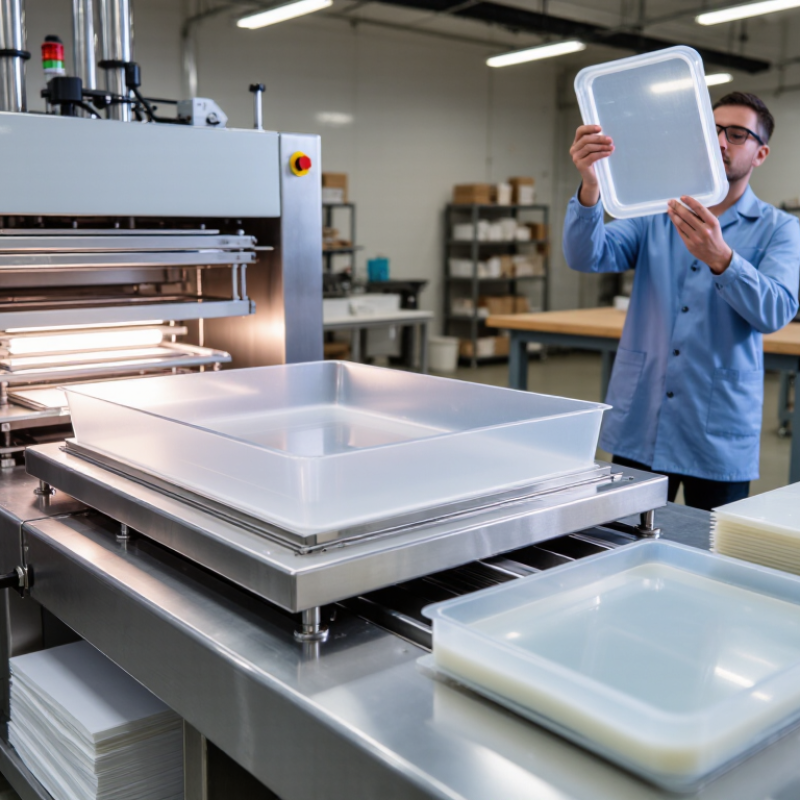
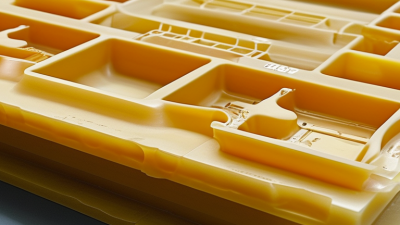
Vacuum forming shapes a heated thermoplastic sheet over a mold by drawing air from beneath it. The pressure difference pulls the softened sheet against the mold’s surface. It is commonly used for trays, equipment covers, display panels, and other hollow or shallow parts. Not magic. Results depend on the material, sheet thickness, mold design, and heating conditions.
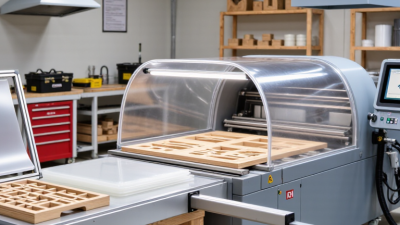
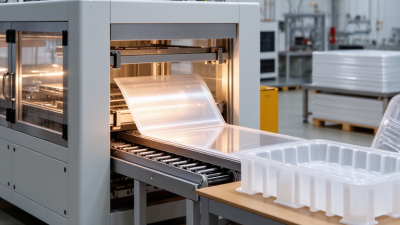
In production, an operator clamps a plastic sheet in a frame and heats it until it becomes pliable. The sheet is then positioned over the mold, and a vacuum pulls it into place through small vent holes. After cooling, the formed part is released and trimmed to its required outline. Deep shapes may need a plug assist to guide the material, though this can affect how evenly it stretches.
Corners and deep draws can become thinner than expected, even when machine settings remain consistent. That detail is easy to underestimate during early design. Mold radii, vent placement, and heat distribution all influence the finished part. Manufacturers typically check dimensions, surface defects, and wall thickness against the drawing. A prototype can reveal issues that a screen cannot, but it may not predict every production variation.
When evaluating vacuum forming manufacturers in China, look beyond polished product photos. Ask for samples made with the same material, thickness, and tooling approach planned for your order. A smooth surface can conceal thin corners or inconsistent wall thickness. Request measurements from several points, especially around deep draws and formed edges. Ask for evidence.
Review how the manufacturer handles tooling design, prototype changes, and production checks. Clear answers about mold costs, lead times, and inspection methods are more useful than broad promises. Ask whether they record sheet thickness, temperature settings, and dimensional results for each batch. These details help explain variation if a part later fits poorly. Check whether their equipment can handle your part size and expected volume, and request a realistic production schedule. A perfect sample is reassuring, but it does not prove stable output. No supplier is flawless; what matters is whether they disclose limits, document problems, and explain corrective actions. If communication is vague during quotation, expect extra time for drawings, revisions, and packaging details.
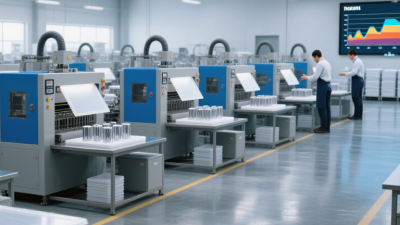
Leading Chinese vacuum forming manufacturers serve global buyers across packaging, appliance, medical-device, and industrial applications. Their capabilities can include sheet heating, mold design, trimming, and secondary assembly. Buyers should look beyond a low unit price. Ask how a supplier controls sheet temperature, wall thickness, and edge quality across repeat production runs.
A useful supplier review starts with a real part drawing and expected order volume. Request material data, sample dimensions, and photographs of comparable tooling. Then inspect a first-off sample for thin corners, uneven flanges, and surface marks. Small defects matter. A tray that looks acceptable on screen may flex too much when loaded. Clear feedback helps, but specifications sometimes miss practical handling conditions; test parts in their intended use before approving production.
Communication deserves equal attention. Confirm who manages engineering changes, sample approvals, packing details, and shipment updates. Ask for realistic lead times, including mold trials and revisions. A capable manufacturer should explain trade-offs plainly, not promise every target without qualification. No checklist catches everything. Even experienced buyers may overlook a stacking or transit issue until cartons arrive. That is worth reflecting on before repeat orders begin.
For global buyers, comparing vacuum forming manufacturers means looking beyond price and production volume. Material choice affects strength, clarity, surface finish, and cost. ABS is often selected for durable equipment housings, while PETG offers clarity and impact resistance for display covers. HIPS suits many lightweight trays and packaging parts. The right option depends on heat, load, appearance, and the product’s working environment. A material name alone is not enough.
Applications range from protective packaging and medical equipment covers to vehicle interior panels and retail displays. Customization may include color matching, textured surfaces, formed-in details, precise trimming, and inserts. Share drawings, expected quantities, and critical dimensions early. Also ask how the supplier checks wall thickness and fit. A prototype can still miss the mark. In practice, the first sample is rarely perfect; adjustments to tooling or forming temperature may be needed.
Tips: Request a sample made with the proposed material, not just a visual mock-up. Check corners, edges, and thin areas under consistent lighting. Small details matter. Confirm tolerances and inspection methods in writing before approving production.
When evaluating vacuum forming manufacturers, verify the people, process, and production site behind the quotation. Ask for business registration details, equipment lists, and recent examples of comparable parts. A video call can show sheet heating, forming, trimming, and packing in real time. Details matter. Request samples made with the proposed material and thickness, then measure wall thickness, dimensions, and edge quality. A polished sample proves little if it was produced on different tooling. Ask how defects are recorded and corrected, and whether inspection reports can be shared. Certificates should match the actual factory and product scope; check their issuer and validity rather than relying on a logo.
For international orders, put the specification in writing: resin type, color, finish, tolerances, packaging, and approved drawings. Keep a signed sample or clear reference photos. Set dates for tooling approval, production, inspection, and dispatch, with named contacts for each milestone. Small omissions grow. Confirm who arranges freight, insurance, and customs documents, and review the shipping terms with your forwarder. Requirements can vary by destination. Agree on how changes affect price and lead time before production starts. It may feel cautious, even slow, but rushed approvals often create expensive misunderstandings. Keep inspection records, packing photos, and written updates together; I would not assume a friendly message replaces a confirmed order detail.