China Top Thermoforming Process Guide for Buyers

Choosing a thermoforming supplier in China involves more than comparing quoted prices. Buyers need to understand how sheet material, tooling, production settings, and inspection affect the finished part. A clear process makes those decisions easier.

In thermoforming, a plastic sheet is heated until it becomes pliable, formed over or into a mold, then cooled and trimmed. Small changes matter. Uneven heating can leave thin spots around corners; trimming can affect fit and appearance. Ask suppliers which materials they run, how they control sheet thickness, and what tolerances they can realistically maintain. Request sample parts, not only polished product photos. Check the edge finish, wall thickness, dimensions, and packaging. On a production line, those details tell a more useful story.

China offers a broad range of manufacturers, from specialized workshops to larger factories with in-house tooling and quality teams. Capabilities vary, so verify them directly. Discuss mold ownership, sample approval, lead times, minimum order quantities, and inspection records before placing an order. Share drawings with clear dimensions and identify the surfaces that matter most. A video call or factory audit may clarify questions, but neither replaces agreed specifications. And there is a trade-off. The lowest quote can hide costs for tooling revisions, rejects, or freight. Even a careful checklist may miss something; buyers should revisit assumptions after receiving the first samples. This guide explains the thermoforming process and offers practical ways to compare suppliers, reduce avoidable surprises, and make a more informed sourcing decision.
China Top Thermoforming Process Guide for Buyers

Understanding Thermoforming: Principles, Methods, and Applications

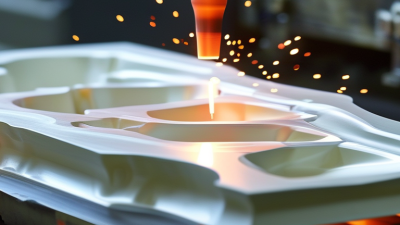
Thermoforming shapes a heated thermoplastic sheet over or into a mold. Vacuum pulls the softened sheet against the tool; pressure forming adds air pressure for sharper details. Matched molds can control both sides, but they usually require more tooling investment. Heat matters. Too little heat can leave corners thin or poorly formed. Too much may cause sagging, uneven thickness, or surface marks. Cooling and trimming are part of the process, not afterthoughts.

Common methods suit different needs.

Vacuum forming works well for large covers, trays, and interior panels with moderate detail. Pressure forming can capture finer textures and edges, while matched-mold forming supports tighter control for suitable parts. Material choice, sheet thickness, draft angles, and corner radii affect performance. A deep draw may stretch the sheet unevenly. Even experienced teams can misjudge this before testing; a small trial run can reveal issues that drawings miss.

Tips:

Ask for sample parts made with the intended material and thickness. Check corners, wall consistency, trim edges, and fit after cooling. Share the part’s use conditions and expected production volume with the manufacturer. Details matter. A glossy sample looks convincing, but it does not prove long-term durability.

How the Thermoforming Process Works Step by Step

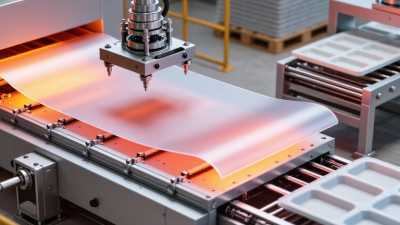
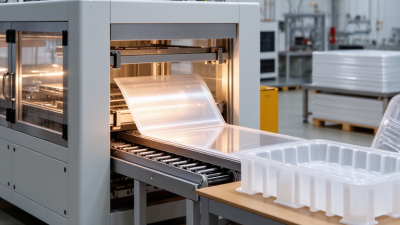
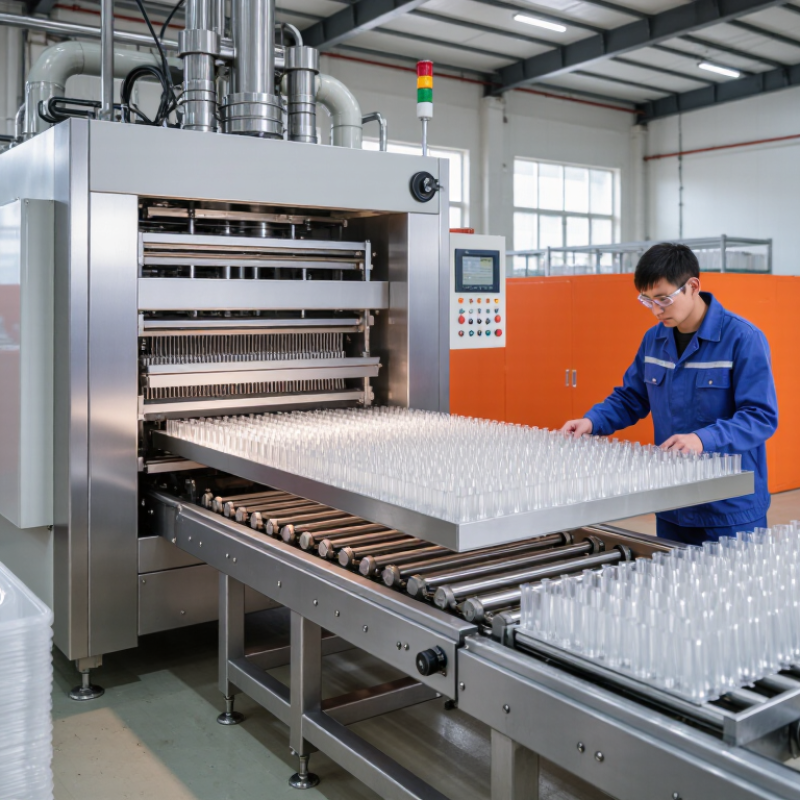
Thermoforming shapes a heated plastic sheet over a mold using vacuum, pressure, or both. The process begins with selecting a sheet material and thickness suited to the part’s use. The sheet is clamped in a frame, then heated until it softens evenly.

Operators watch for sagging, which can signal uneven heat or excessive heating. Too cool, and it may resist forming. Once the sheet reaches its forming range, the frame moves over the mold. Vacuum draws the softened plastic against the mold surface; pressure assistance can capture finer details.

The sheet then cools while held in shape. Cooling too quickly may cause warping, while uneven mold temperatures can leave inconsistent walls. After release, the part is trimmed and checked for dimensions, surface marks, and thin areas around corners.

A first trial may still reveal flaws, even when settings appear correct. Small adjustments to heat, forming time, or mold design often improve the next run.

Choosing Materials, Tooling, and Equipment for Your Project

Choosing materials, tooling, and equipment starts with the part’s job. A clear food tray needs different properties from a protective electronics cover. PET is often selected for clarity and stiffness, while ABS can suit parts needing impact resistance. Material behavior varies by grade, thickness, and forming temperature, so confirm the supplier’s data before ordering. Small details matter. Check whether the sheet can tolerate the expected heat, contact, and cleaning conditions. A thin wall may look fine in a drawing but sag during forming, especially across a wide, flat area.

Tooling should match both the shape and expected production volume. Aluminum molds can transfer heat efficiently and suit many production runs; lower-cost materials may work for prototypes, but wear can become an issue. Ask how the tool handles trimming, vents, and draft angles. These details affect surface quality and part release. Equipment selection depends on sheet size, heating zones, vacuum capacity, and cycle targets. Compare usable forming area, not only machine dimensions. Ask to review sample parts made with similar material and geometry. A pilot run can reveal uneven heating or corner thinning before larger orders begin. It is tempting to optimize for speed alone. I would still question that choice if quality checks or tooling maintenance are unclear.

Evaluating Thermoforming Suppliers in China

China Top Thermoforming Process Guide for Buyers

Evaluating a thermoforming supplier in China takes more than comparing quoted prices. Check whether the factory has worked with your intended plastic, sheet thickness, and part dimensions. Ask for recent samples made under normal production conditions, not only polished display pieces. Inspect corners, trim edges, and several parts from the same run. Small defects matter.

Ask how the supplier controls sheet heating, forming pressure, cooling, and trimming. Clear answers should include measurable checks, such as wall-thickness readings at specific points. Request a sample inspection record and ask what happens when a part falls outside tolerance. A machine list alone proves little. The process matters.

Before ordering, agree on tooling ownership, revision procedures, sample approval, production capacity, and lead times in writing. Check whether the team can explain its quality checks in practical terms, and who will respond if a shipment is delayed. A video call can help, but it cannot replace a physical sample. I would also leave time for one correction round; drawings rarely capture every production detail. Suppliers may give optimistic schedules, so verify milestones rather than relying on a single delivery estimate.

Comparing Quality Standards, Costs, and Lead Times Before Ordering

When comparing thermoforming suppliers, request the same part drawing, resin grade, annual volume, and inspection plan from each. Quality is more than a smooth surface. Check wall-thickness variation at corners, trimmed-edge consistency, and fit against the mating component. Ask for first-article measurements and documented material tests, rather than relying on a sample viewed by eye. Grand View Research estimated the global thermoforming plastics market at USD 49.8 billion in 2023, with projected growth through 2030. That signals a substantial market, not a guarantee of available machine time. Demand is not delivery.

Compare costs line by line: tooling, setup, material, trimming, inspection, packaging, and freight. A low tool quote may hide later costs if the design needs frequent adjustments. PlasticsEurope’s Plastics—The Facts 2024 reported 413.8 million tonnes of global plastics production in 2023; resin availability and grade still matter to any specific order. Lead times should distinguish tool fabrication, sample approval, and repeat production. Request a dated schedule with approval deadlines and realistic buffer time. One detail is easy to miss: late drawing changes can reset the schedule. I would question any quote that gives a firm delivery date before the supplier reviews the part geometry and tolerance requirements.

China Top Thermoforming Process Guide for Buyers - Comparing Quality Standards, Costs, and Lead Times Before Ordering

Use this comparison for early supplier discussions. Cost and timing figures are indicative planning ranges for China-based production; actual quotes depend on part geometry, material, order quantity, tooling construction, testing, and shipping arrangements.

Process Typical Sheet Thickness Common Materials and Applications Indicative Tooling Budget (USD) Typical Tooling and First-Article Lead Time Quality Checks to Specify Best Fit and Main Trade-Off
Thin-gauge vacuum forming About 0.2–1.5 mm PET or PETG for trays and clear covers; HIPS for inserts and packaging; PP for containers and liners. About $1,000–$8,000 for a straightforward tool; complex or multi-cavity tools can cost more. About 3–6 weeks, including tool preparation and first-article review. Check critical dimensions, wall-thickness distribution, trim position, surface appearance, and part fit against an approved drawing or sample. Specify material grade and color. Suitable for packaging and shallow-to-moderate-depth parts. Usually economical for larger quantities, but vacuum forming offers less detail and definition than pressure forming.
Pressure forming About 0.5–6 mm, depending on part design and material ABS, HIPS, PETG, and polycarbonate for housings, control panels, equipment covers, and cosmetic parts. About $3,000–$15,000; detailed textures, tighter geometry, and more complex trimming can increase tooling costs. About 4–8 weeks, depending on tool complexity and sample approval. In addition to drawing-based dimensional checks, agree on texture, color, gloss, visible-surface criteria, edge quality, and assembly fit. Request first-article measurements for critical features. Useful when better detail and surface definition are needed than basic vacuum forming can provide. Tooling and process costs are generally higher.
Thick-gauge vacuum forming About 2–10 mm ABS, HDPE, HIPS, and polycarbonate for machine covers, vehicle interior panels, equipment housings, and large enclosures. About $5,000–$25,000 for common production tools; large or complex parts may require a larger budget. About 4–8 weeks; large parts or substantial design changes may take longer. Define overall dimensions, mounting locations, wall-thickness minimums in critical areas, trim-line position, warpage limits, and color or surface requirements. Confirm the measurement method for large parts. Works well for large, relatively low-volume parts. Material thinning in deep draws and variation across large surfaces should be reviewed during design and sampling.
Twin-sheet thermoforming Often about 1.5–6 mm per sheet, depending on the design Commonly PE, PP, or ABS for hollow panels, ducts, pallets, containers, and lightweight structural parts. About $10,000–$40,000; the tool and joining arrangement depend heavily on part size and geometry. About 6–10 weeks for tooling and initial samples; complex designs may require additional iterations. Check overall dimensions, wall thickness, weld or fusion-line continuity, leak performance if required, load performance, and fit between formed halves. Set test conditions and acceptance limits in advance. Can create hollow, double-wall parts without a separate joining operation. Tooling and process setup are more involved than single-sheet forming.

Standards and ordering notes: ISO 9001 relates to a supplier’s quality-management system; it does not certify the performance of an individual part. ISO 20457 provides tolerances and acceptance conditions for plastics moulded parts, but tolerances should still be agreed for the specific design and process. For food-contact plastic materials and articles intended for the Chinese market, confirm applicable requirements such as GB 4806.7 and request relevant compliance documentation. Testing, certification, packaging, freight, duties, and taxes are not included in the tooling estimates. Obtain a written quotation that states material grade, drawing revision, inspection plan, sample-approval process, order quantity, and delivery terms.

Go to Top