Why is Welding Protection Essential for Safety and Quality?
Welding Protection is crucial for not just safety, but also for maintaining high-quality work. Welders face numerous hazards daily, including intense heat, sparks, and harmful UV radiation. These risks can lead to severe injuries or long-term health issues. Proper protection ensures that workers remain safe while performing their tasks efficiently.
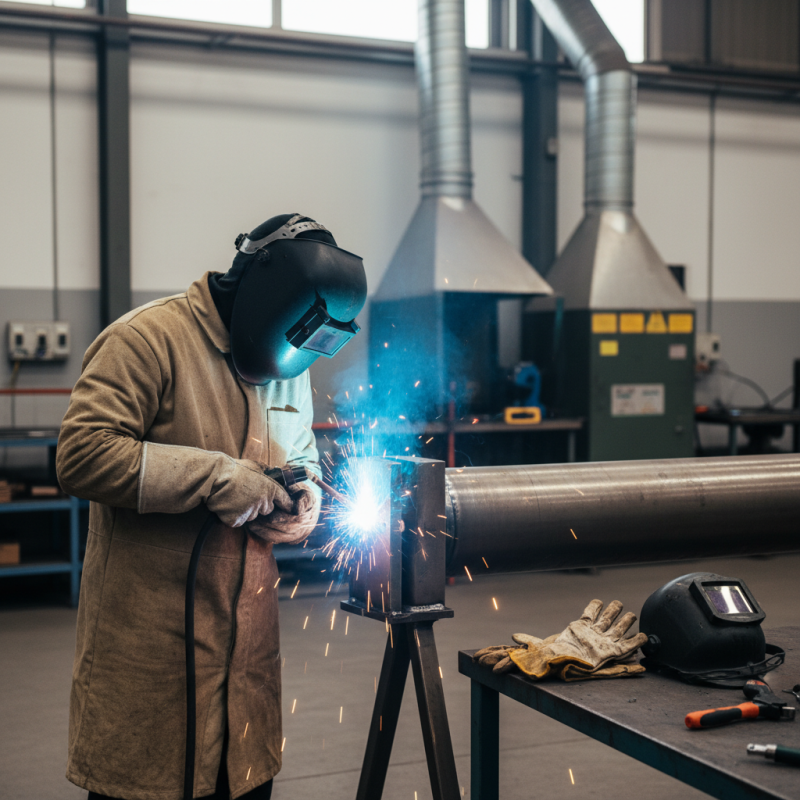
The right gear is essential. This includes helmets, gloves, and protective clothing. Each piece serves a specific purpose. A welder’s helmet shields against harmful light and flying debris. Gloves help prevent burns and cuts. However, many overlook the importance of maintaining this equipment. Worn-out gear can compromise safety. Regular inspections are necessary yet often neglected.
Welding Protection does not end with personal gear. Workspaces must be safe too. Proper ventilation is often forgotten. Fumes from welding can be deadly. Similarly, ensuring a clean work area can prevent accidents. Some welders rush and forgo these checks. This negligence can lead to tragic results. Understanding the importance of comprehensive protection is vital in promoting a safe and effective welding environment.
Understanding the Risks Associated with Welding Processes
Welding is a vital process in many industries, yet it comes with significant risks. The intense heat and bright light can cause burns and eye injuries. Without proper protection, welders face exposure to harmful fumes and gases. These dangers can lead to long-term health issues. It’s vital to understand these risks for safety and quality.
Tips for welders: Always use protective gear. A well-fitted helmet protects your eyes from bright arcs and radiation. Gloves must be durable to avoid cuts. Keep your workspace ventilated to reduce fume exposure.
Another risk lies in fire hazards. Sparks can ignite nearby materials. Ensure you keep flammable items away from the welding area. In case of an accident, a fire extinguisher should be within reach.
Maintaining your equipment is also crucial. Regular checks can prevent malfunction and accidents. Poor equipment can lead to weld defects, affecting quality. Take the time to inspect hoses and connections before starting your work.
The Importance of Personal Protective Equipment in Welding
Welding is a critical task, but it comes with inherent risks. Personal Protective Equipment (PPE) is vital for safety. Wearing the right gear protects workers from burns, sparks, and toxic fumes. A welding helmet shields the face from UV rays and bright light. Gloves are essential to prevent skin injuries. Each piece of equipment plays a crucial role.
Tips for choosing PPE include checking for certifications. Ensure gear is comfortable for long hours. Ill-fitting equipment can lead to accidents. Regularly inspect your gear for wear and tear. Do not overlook this. A small defect can lead to significant risks.
Maintaining a habit of using PPE is necessary. Sometimes, workers may feel overconfident, thinking they won’t get hurt. This mindset can lead to mistakes. It’s essential to stay disciplined. Create a routine to put on and check your gear before starting any welding task. A few seconds of preparation can make a big difference in safety and quality.
Why is Welding Protection Essential for Safety and Quality?
| Protection Equipment | Function | Potential Hazards | Recommended Standards |
| Welding Helmet | Protects eyes and face from UV light and sparks | Eye burns, facial injuries | ANSI Z87.1, EN 175 |
| Gloves | Protects hands from heat, sparks, and cuts | Burns, cuts, electric shock | ANSI/ISEA 105, EN 388 |
| Protective Clothing | Protects body from sparks and heat | Burns, skin injuries | ASTM F1506, NFPA 701 |
| Respirators | Filters harmful fumes and particulates | Respiratory issues, chemical exposure | NIOSH, EN 149 |
| Safety Boots | Protects feet from heavy objects and hot materials | Crushed toes, burns | ASTM F2413, CSA Z195 |
Guidelines for Effective Welding Safety Practices
Welding safety practices are vital. Proper protection reduces the risk of injury. High-quality gear shields welders from sparks, heat, and UV radiation. Masks, gloves, and goggles are essential. They create a barrier against harmful elements.
Good ventilation is crucial. Fumes can cause long-term health problems. Workspaces must be well-ventilated to disperse toxic gases. Understanding the materials is equally important. Each metal may release different hazards. Taking the time to learn can save lives.
Regular training sessions keep workers informed. They should practice safe techniques under supervision. Even experienced welders can overlook safety. A simple lapse can lead to accidents. Reflecting on past mistakes is essential for improvement. Continuous awareness ensures a safer working environment.
Evaluating Quality Control Measures in Welding
In the welding industry, quality control is vital. Effective quality control measures ensure structural integrity and safety. According to the American Welding Society, nearly 15% of welds fail inspection due to poor quality. Such failures can lead to significant safety hazards and costly rework.
Implementing consistent inspection protocols can mitigate these risks. Regular checks during the welding process help identify defects early. Non-destructive testing methods, like ultrasonic and radiographic testing, are essential tools. They provide insight without damaging the weld. However, these methods require highly trained personnel. Often, companies overlook the need for ongoing training, leading to gaps in skill.
The environment in which welding occurs also affects quality. Factors such as temperature and humidity play a critical role. Welders may not always adjust to these conditions. This oversight can lead to weaker welds. Data from the International Institute of Welding suggests that improper environmental control may contribute to up to 30% of welding defects. Addressing these issues is crucial for the industry. Ensuring proper conditions enhances the quality and safety of welded structures.
Best Practices for Maintaining Welding Equipment Safety
Welding protection is often overlooked, yet it is critical for safety. According to the American Welding Society, over 500,000 welding-related injuries occur each year. Proper maintenance of welding equipment is key to reducing these incidents. Regular checks can prevent many avoidable accidents.
Inspecting your welding gear is essential. Look for signs of wear and tear on cables and hoses. A cracked hose can lead to gas leaks. Equipment should be clean and free of debris. Dust and grime can affect performance. In 2020, the Occupational Safety and Health Administration reported that 10% of workplace incidents involved equipment failure. Regular maintenance is crucial, but many still neglect it.
Training also plays a vital role. Workers must understand how to use their equipment safely. However, even with training, mistakes happen. Reports show that 30% of operators lack proper safety knowledge. Documenting maintenance practices can show areas needing improvement. Remember, safety is a continuous process, not a one-time checklist.
