Why Vacuum Thermoforming is Essential for Modern Manufacturing?
Vacuum thermoforming is a pivotal technology in modern manufacturing. This process allows for the efficient production of complex plastic parts, catering to various industries including automotive, packaging, and consumer goods. According to a report by Grand View Research, the global vacuum thermoforming market was valued at approximately $4.7 billion in 2020 and is expected to grow at a CAGR of 5.2% from 2021 to 2028. Such growth highlights the increasing need for tailored and efficient manufacturing solutions.
The effectiveness of vacuum thermoforming lies in its ability to produce high-quality components with minimal waste. Manufacturers can achieve intricate designs at a lower cost compared to traditional molding methods. However, the consistency of material quality and the precision of the molds used remain critical challenges. Failures in these areas can lead to significant production delays and increased costs. Addressing these issues is essential for maintaining competitiveness in the market.
Despite its advantages, the sustainability aspect of vacuum thermoforming is another area for reflection. The reliance on plastic materials poses environmental concerns. More companies are now seeking eco-friendly alternatives to traditional plastics. Balancing efficiency and sustainability is a crucial task for manufacturers adopting vacuum thermoforming in their operations. Understanding these dynamics will be vital for future advancements in the industry.
The Definition and Process of Vacuum Thermoforming
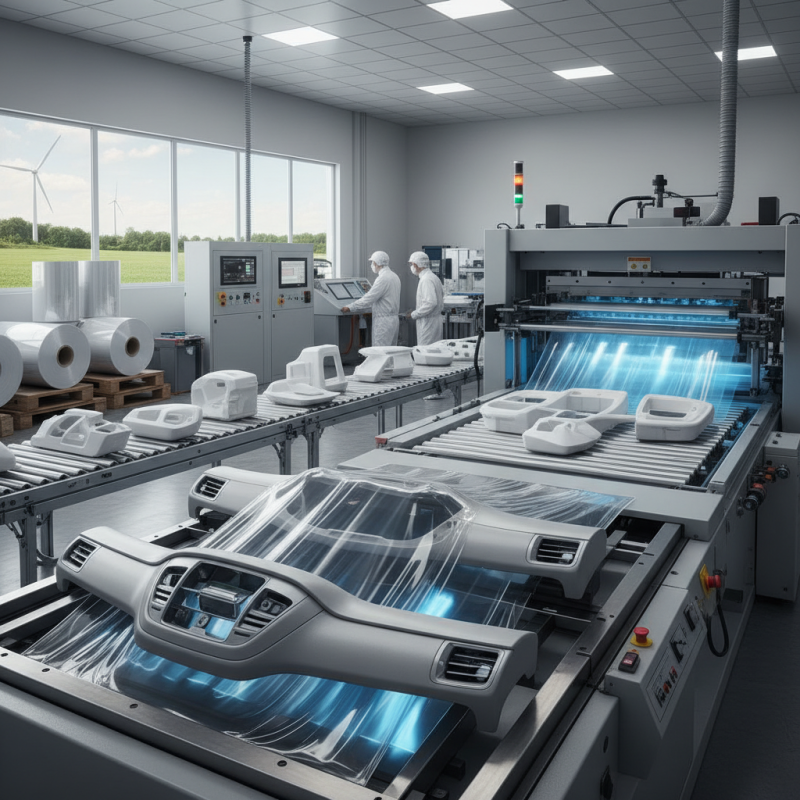
Vacuum thermoforming is a manufacturing process that shapes plastic sheets into specific forms. It uses heat and vacuum pressure to mold materials, making it a vital method in various industries. The process begins with heating a plastic sheet until it becomes pliable. Once soft, the sheet is placed over a mold. A vacuum is applied, drawing the sheet tightly against the mold’s surface. This creates a precise shape, suitable for many applications.
The versatility of vacuum thermoforming is evident in its use for packaging, automotive parts, and consumer products. It can produce both simple and complex designs. However, achieving the desired results requires careful attention to detail. Variations in temperature and pressure can affect the thickness and quality of the final product. Even small mistakes can lead to defects, prompting manufacturers to continuously refine their techniques.
While the process appears straightforward, the real challenge lies in mastering the intricacies. Each material behaves differently under heat and pressure. The choice of plastic, mold design, and cooling methods can all impact the outcome. Manufacturers often find themselves evaluating their methods, searching for efficiencies. This constant refinement underscores the importance of experience and knowledge in vacuum thermoforming.
Vacuum Thermoforming in Modern Manufacturing
This chart illustrates the advantages of vacuum thermoforming in modern manufacturing, highlighting efficiency, cost-effectiveness, and versatility across different industries.
Key Advantages of Vacuum Thermoforming in Manufacturing
Vacuum thermoforming is a game changer in modern manufacturing. This process allows for the efficient production of complex shapes. It has seen widespread adoption across various industries. For instance, packaging alone accounts for over 30% of the thermoforming market. This reflects its critical role in supply chain efficiency.
One notable advantage is material efficiency. According to a recent industry report, vacuum thermoforming can reduce material waste by up to 20%. Manufacturers often aim to minimize environmental impact. While the initial setup can be costly, many find long-term savings in reduced waste and energy consumption. The quick turnaround time is another enticing factor. Products are typically produced in days rather than weeks.
However, there are challenges as well. The process can require careful design considerations to maximize effectiveness. Not all materials are compatible with vacuum forming, limiting options. Companies must weigh these factors against the benefits. Maintaining quality control is essential; defects can compromise production runs. Despite these complexities, the advantages often outweigh the disadvantages, especially in a competitive market.
Why Vacuum Thermoforming is Essential for Modern Manufacturing? - Key Advantages of Vacuum Thermoforming in Manufacturing
| Advantage |
Description |
Applications |
Materials Used |
| Cost Efficiency |
Lower tooling costs and reduced waste make it economical for high-volume production. |
Packaging, automotive parts, consumer goods. |
ABS, polycarbonate, PETG. |
| Design Flexibility |
Enables complex designs and shapes to be produced quickly. |
Custom enclosures, prototypes. |
PVC, polystyrene, acrylic. |
| Speed of Production |
Quick turnaround times from design to production reduce lead times. |
Medical devices, electronic housings. |
High-impact polystyrene, acrylic. |
| Lightweight Products |
Produces lightweight components that are still durable and strong. |
Aerospace components, lightweight packaging. |
Polypropylene, polystyrene. |
| Sustainability |
Eco-friendly materials options are available, reducing environmental impact. |
Reusable containers, sustainable products. |
Recycled plastics, biodegradable materials. |
Applications of Vacuum Thermoforming Across Various Industries
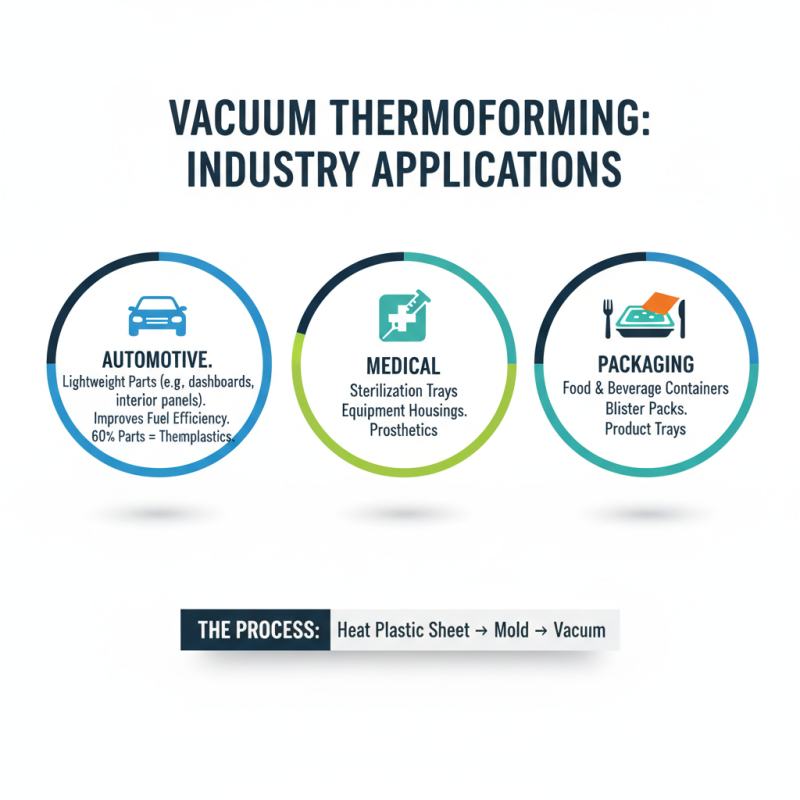
Vacuum thermoforming plays a pivotal role in modern manufacturing across several industries. This method involves heating a thermoplastic sheet and forming it over a mold using a vacuum. One significant application is in the automotive sector. According to a recent report by the Plastics Industry Association, over 60% of automotive parts are made from thermoplastics. These parts help reduce vehicle weight, which is essential for improving fuel efficiency.
The packaging industry also significantly benefits from vacuum thermoforming. It provides efficient and cost-effective packaging solutions. The global market for thermoformed plastic packaging was valued at $38 billion in 2020 and is expected to grow. This growth highlights the increasing demand for light, durable, and sustainable packaging materials. Even in consumer electronics, vacuum-formed components ensure product safety while maintaining aesthetic appeal. These components are lightweight yet sturdy, making them ideal for protecting delicate devices.
While vacuum thermoforming has numerous advantages, it is not without challenges. The process can generate waste if molds are not designed carefully. Additionally, thermoplastic materials can vary in quality, affecting the final product. Manufacturers must be mindful of these issues to fully harness the benefits of this technology. In conclusion, vacuum thermoforming’s versatility makes it an essential technique in manufacturing, yet continuous improvements are necessary for sustainable growth.
Comparative Analysis of Vacuum Thermoforming vs. Other Molding Techniques
Vacuum thermoforming stands out among molding techniques for its cost-effectiveness and versatility. This method allows manufacturers to create complex shapes without the need for expensive molds. It uses heat to soften plastic sheets, making it easier to form them into desired designs. This approach is particularly effective for short production runs, where tooling costs can become prohibitively high.
In contrast, injection molding and blow molding often require significant investment in molds and setup time. These methods excel in mass production but can lead to waste and higher initial costs. Vacuum thermoforming minimizes material waste, as excess plastic can often be reprocessed. The ability to produce custom shapes quickly enhances the overall production efficiency, especially for prototypes or specialized products.
However, vacuum thermoforming does have limitations. While it is ideal for lightweight materials, it struggles with thicker plastics. This can restrict applications in some industries. Additionally, the surface finish may not always meet the highest standards seen in other techniques. Manufacturers must carefully consider these factors when choosing the right process for their projects.
Future Trends and Innovations in Vacuum Thermoforming Technology
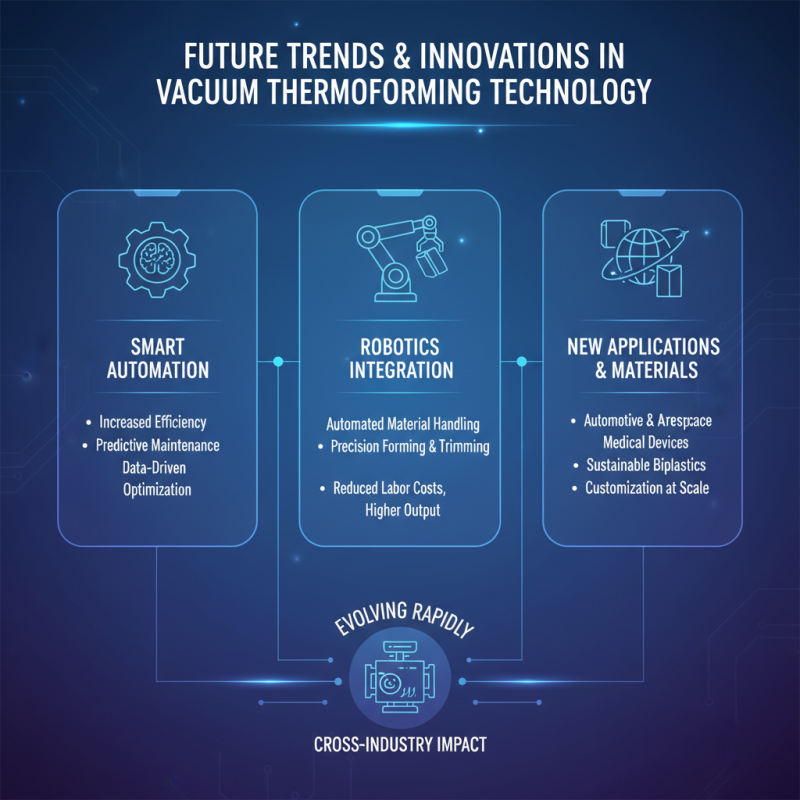
Vacuum thermoforming is evolving rapidly, impacting various industries. Advanced technologies are paving the way for new applications. With smart automation systems, production processes are becoming more efficient. Robotics streamline labor-intensive tasks, reducing costs and increasing output.
Sustainability is another key trend. Manufacturers are using eco-friendly materials in the thermoforming process. This shift reduces waste and supports environmental goals. Innovations like biodegradable plastics are gaining traction. However, the recycling process still needs improvement.
Customization is essential in today's market. Vacuum thermoforming allows for tailored solutions for specific needs. Companies can now create intricate designs quickly. Still, achieving perfection in every design can be challenging. Continuous improvement is necessary to meet high standards. Embracing these trends requires adaptability and foresight from industry leaders.