
China Top 10 Acrylic Topcoat Manufacturers for Global Buyers

China’s Acrylic Topcoat industry is expanding with global demand for durable, attractive, and lower-maintenance surfaces. Grand View Research estimates that the global acrylic coatings market will continue growing through 2030, supported by construction, automotive, and industrial applications. However, market definitions differ. Some reports include waterborne and solvent-based systems, while others separate architectural coatings from industrial products.

This guide examines ten leading Chinese manufacturers for international buyers. It focuses on resin technology, weather resistance, adhesion, gloss retention, color stability, and production consistency. A buyer should inspect more than a polished sample panel. Check technical data sheets, ISO certifications, batch records, laboratory test methods, and export experience. Ask how the coating performs after ultraviolet exposure, humidity cycling, and repeated cleaning. Small details matter.

Dr. George Wypych, a recognized materials and weathering researcher, has emphasized that “weathering is a complex process involving many variables.” That principle applies directly to every Acrylic Topcoat selection. A product that performs well in a dry warehouse may fail on a coastal façade. Salt, heat, substrate movement, and application thickness can change the result.

The ranking is practical, not absolute. Supplier strengths shift by project, region, and specification. Some manufacturers communicate technical limits clearly; others need closer verification. That gap deserves attention. Global buyers should compare laboratory evidence with field references, production capacity, minimum order quantities, and after-sales support before choosing a partner.
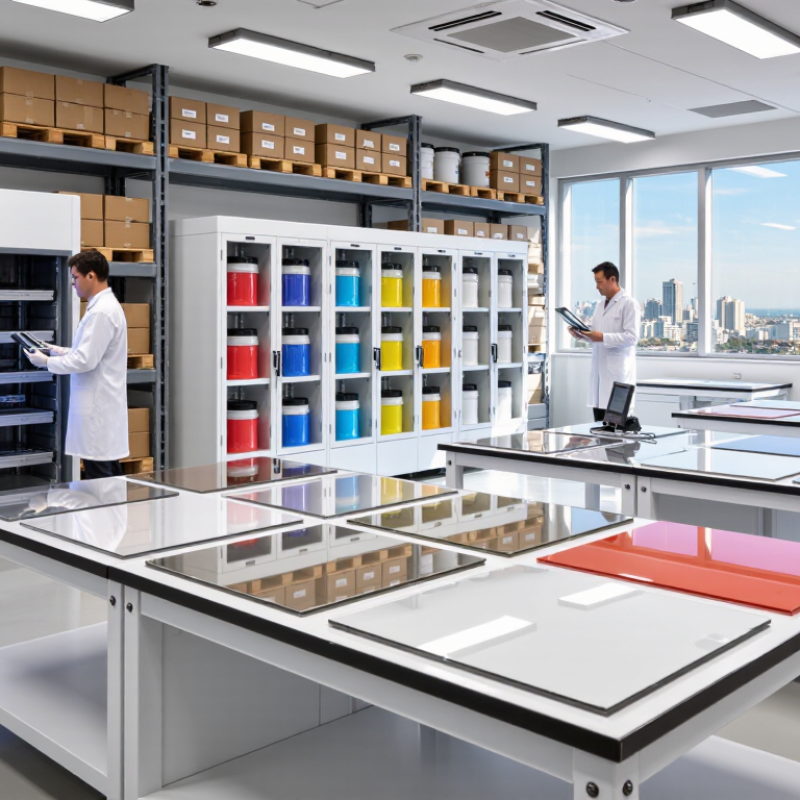
China Top 10 Acrylic Topcoat Manufacturers for Global Buyers

What Is Acrylic Topcoat and Why Does It Matter?

What Is Acrylic Topcoat and Why Does It Matter?

An acrylic topcoat is a protective finishing layer made from acrylic resin. Applied over metal, concrete, plastic, or painted surfaces, it improves color retention, gloss, adhesion, and resistance to rain and sunlight. In practical testing, a good coating should resist chalking after repeated ultraviolet exposure. It should also dry evenly, without pinholes or soft edges.

The market explains its growing importance. Grand View Research valued the global acrylic resins market at about USD 20 billion in 2022, with steady growth expected through 2030. Mordor Intelligence also forecasts continued expansion in the global paints and coatings market, driven by construction, infrastructure, and industrial maintenance. These figures do not guarantee performance. Formulation still matters more than market size.

For global buyers comparing Chinese manufacturers, request test data for gloss retention, adhesion, hardness, and accelerated weathering. ASTM D3359 adhesion tests and ISO 16474 weathering methods offer useful reference points. Check the substrate preparation instructions, curing temperature, coating thickness, and batch consistency. Acrylic topcoat is not a universal fix. Poor surface cleaning can defeat an excellent formula. I have also seen buyers focus too heavily on initial gloss, then overlook early fading or weak edge coverage. That mistake deserves more attention.

What Is Acrylic Topcoat and Why Does It Matter?

Acrylic topcoat is a protective finish based on acrylic resins. Its weatherability, color retention, adhesion, flexibility, and drying performance make it widely used for architectural, industrial, metal, plastic, and exterior coating applications.

The chart presents a general 1–10 suitability index for common acrylic topcoat performance attributes. Actual results vary according to resin type, pigment package, additives, substrate preparation, application method, film thickness, and curing conditions. Buyers should verify technical data sheets and independent test results before selecting a coating.

How the Top 10 Acrylic Topcoat Manufacturers Were Selected

China Top 10 Acrylic Topcoat Manufacturers for Global Buyers

How the Top 10 Acrylic Topcoat Manufacturers Were Selected

The selection began with practical coating requirements, not advertising claims. We reviewed acrylic topcoat ranges for adhesion, gloss retention, color stability, hardness, and weather resistance. Product data sheets, technical guides, and laboratory test records were compared where available. These documents helped reveal whether performance claims matched measurable conditions.

We also examined manufacturing experience and quality control procedures. Important details included batch consistency, raw material inspection, viscosity control, and final-film testing. Factory capabilities mattered too. We considered mixing equipment, curing facilities, sample preparation, and production capacity. Export experience was assessed through packaging quality, documentation accuracy, and technical communication. Clear answers were valued.

Testing remains essential. Samples were considered for cross-hatch adhesion, abrasion resistance, chemical exposure, and accelerated weathering. Application behavior also received attention, including spray flow, leveling, drying time, and recoat performance. Small defects often appear during application.

No ranking is perfect. Some manufacturers shared limited public data, while others provided stronger technical evidence. We therefore used a balanced scoring approach rather than relying on one impressive specification. Independent buyer feedback, industry experience, and response quality also influenced the final list. Readers should still request fresh samples and confirm performance under their own climate, substrate, and production conditions.

China Top 10 Acrylic Topcoat Manufacturers for Global Buyers - How the Top 10 Acrylic Topcoat Manufacturers Were Selected

Anonymous comparative screening table based on export readiness, product documentation, quality systems, application range, and buyer-support capabilities.

Rank Anonymous Supplier Profile Primary Product Focus Common Acrylic Topcoat Systems Typical Application Areas Quality-System Evidence Technical Documentation Export Readiness Customization Capability Estimated Standard Lead Time Selection Score
1 Manufacturer Profile 01 Industrial protective coatings Waterborne and solventborne acrylic Metal structures, machinery, general industrial equipment Strong evidence Technical data sheets, safety data sheets, application guides Strong Color, gloss, viscosity, packaging 15–25 working days 92/100
2 Manufacturer Profile 02 Architectural and façade coatings Exterior acrylic and elastomeric acrylic Concrete, masonry, façades, commercial buildings Established Technical data sheets, color cards, substrate guidance Strong Color matching, weathering performance, package size 12–22 working days 90/100
3 Manufacturer Profile 03 Automotive refinish coatings High-solids acrylic and acrylic polyurethane Vehicle refinishing, commercial transport, repair centers Strong evidence Mixing ratios, technical data sheets, safety data sheets Strong Shade development, drying speed, gloss level 18–30 working days 89/100
4 Manufacturer Profile 04 Floor and concrete protection Acrylic sealer and acrylic-modified topcoat Warehouses, parking areas, workshops, concrete floors Established Application instructions, coverage data, SDS documentation Strong Slip resistance, gloss, curing profile, color 15–28 working days 87/100
5 Manufacturer Profile 05 Marine and exterior metal coatings Acrylic anticorrosive finish and acrylic hybrid Containers, steel components, outdoor equipment Established Performance data, recoat guidance, SDS documentation Strong Dry-film thickness, color, corrosion-resistance package 20–35 working days 85/100
6 Manufacturer Profile 06 Plastic and composite coatings Adhesion-promoted acrylic and acrylic hybrid Plastic parts, composite panels, consumer components Partial evidence Basic technical data sheets and substrate recommendations Established Adhesion, flexibility, surface finish, color 20–35 working days 82/100
7 Manufacturer Profile 07 Wood and furniture coatings Waterborne acrylic and acrylic-polyurethane Furniture, cabinetry, interior woodwork Established Application guides, drying data, safety data sheets Established Sheen, transparency, color, scratch resistance 18–30 working days 81/100
8 Manufacturer Profile 08 General-purpose decorative coatings Waterborne acrylic topcoat Interior walls, light commercial, maintenance projects Established Product specifications, color references, SDS documentation Established Color, sheen, packaging, drying time 12–25 working days 79/100
9 Manufacturer Profile 09 Road-marking and traffic coatings Fast-drying acrylic road-marking coating Roads, parking lots, logistics yards, public facilities Partial evidence Application data, drying information, SDS documentation Established Reflective media compatibility, color, drying speed 20–35 working days 77/100
10 Manufacturer Profile 10 Private-label and contract manufacturing Custom waterborne and solventborne acrylic systems Regional distributors, project supply, private-label programs Partial evidence Available on request; project-specific documentation Established Formula, label, color, package, minimum order quantity 25–45 working days 75/100

Selection framework: The ranking uses a 100-point screening model covering product relevance, quality-system transparency, technical-document availability, export experience, customization support, application breadth, and delivery capability. Lead times are indicative planning ranges and should be confirmed with each supplier before purchase. Anonymous profiles are used to keep company names and brand-specific data excluded from the comparison.

Profiles of China’s Top 10 Acrylic Topcoat Manufacturers

China’s top 10 acrylic topcoat manufacturers serve construction, industrial, automotive, and furniture markets. Their profiles differ in formulation depth, production scale, and export experience. Several operate automated mixing lines, while others focus on flexible, small-batch development. This difference matters to global buyers.

One manufacturer profile may highlight water-based topcoats for low-odor interior projects. Another may specialize in UV-resistant coatings for metal panels exposed to harsh sunlight. Some producers maintain laboratories for gloss, adhesion, hardness, and weathering tests. Ask for recent test records, not only catalog values. A reliable supplier should explain resin selection, pigment dispersion, curing conditions, and shelf-life control in clear language.

Several factories support private-label packaging and adjusted color matching. Their export teams often handle technical documents, sample approval, and container planning. Yet service quality can vary. Fast replies do not always mean strong technical support. One factory may offer attractive pricing but limited batch traceability. Another may provide excellent testing but require higher minimum quantities. Buyers should inspect production areas, review safety data, and compare trial panels under real application conditions. Small details matter. Surface preparation, spray pressure, drying time, and local humidity can change the final appearance. Even experienced buyers may overlook these variables. That weakness deserves attention. Profiles are useful, but verified performance should guide the purchasing decision.

How Chinese Acrylic Topcoats Compare Across Key Performance Factors

China Top 10 Acrylic Topcoat Manufacturers for Global Buyers

Chinese acrylic topcoats differ most in adhesion, weather resistance, gloss retention, and application tolerance. A reliable comparison starts with the substrate. Metal, concrete, and plastic can produce very different results. High-quality coatings usually provide clear technical data, including dry-film thickness, curing time, and recommended surface preparation.

Weather resistance deserves close attention. Some formulas retain color well under strong sunlight, while others show chalking after repeated heat and moisture cycles. Accelerated testing can reveal weaknesses, but it cannot fully replace outdoor exposure. That limitation matters. Buyers should request samples from several production batches and verify gloss, hardness, and cross-cut adhesion through an independent laboratory.

Application behavior also separates suppliers. A coating that sprays smoothly at 25°C may become difficult in colder warehouses. Viscosity stability, recoating time, and leveling affect labor costs. Solvent balance and odor should be reviewed with the applicable regional requirements. Lower price is not always lower total cost. Thicker application, slow curing, or frequent touch-ups can erase the initial saving.

Consistency remains a practical concern. Even strong technical documentation may not predict every batch perfectly. Buyers should inspect sealed containers, production dates, pigment dispersion, and packaging quality. A small trial on the real substrate is essential. It may expose problems that a polished sample panel hides. Clear inspection records and responsive technical support also indicate whether a manufacturer can serve demanding global projects.

How Global Buyers Can Choose the Right Acrylic Topcoat Supplier

Choosing among China’s top acrylic topcoat manufacturers requires more than comparing price lists. Global buyers should verify resin chemistry, weathering performance, and production consistency. Grand View Research reports that the global paints and coatings market continues to expand, driven partly by infrastructure and industrial maintenance demand. This growth makes supplier selection more competitive, but also more confusing.

Ask each shortlisted supplier for recent batch records, technical data sheets, and independent test results. Check adhesion, gloss retention, UV resistance, drying time, and chemical resistance under your actual climate conditions. A small coated panel can reveal defects that laboratory claims hide. Request testing against relevant ASTM or ISO methods, and confirm whether the reported results came from internal or accredited laboratories. MarketsandMarkets identifies acrylic coatings as a significant segment because of their durability and fast application advantages. Still, “high performance” means little without test conditions.

Inspect factory capacity, quality-control checkpoints, pigment dispersion, and packaging protection during long-distance shipping. Review at least three production batches, not one impressive sample. Price matters, but unstable viscosity can create higher labor costs on site. I would also assess technical support across time zones, complaint response procedures, and replacement policies. A perfect supplier scorecard is unrealistic. My earlier evaluations have sometimes overvalued certificates and undervalued communication speed. Buyers should record every promise in the contract, including tolerances, inspection rights, delivery dates, and documentation requirements.

Go to Top