Top Tips for Choosing Fuel Storage Bladder Solutions?
When selecting Fuel Storage Bladder solutions, clarity and informed choices are vital. Understanding the specific requirements of your project helps refine your options. Fuel Storage Bladders are essential for safely storing liquids. They offer flexibility, durability, and efficiency.
Choosing the right bladder requires assessment of various factors. First, consider the material. Different materials provide varying levels of protection and suitability for specific fuels. Second, evaluate capacity. A bladder's size directly affects its functionality. An appropriate size prevents overflows and ensures safety.
Mistakes in selection can lead to significant issues. For instance, the wrong material might degrade over time or cause leaks. It's essential to consult experts or manufacturers for guidance. Doing so enhances reliability and compliance with safety standards. This choice impacts not only safety but also your overall project execution. Be thorough in your evaluations, ensuring that your choice meets all criteria.
Understanding Fuel Storage Bladder Basics and Benefits
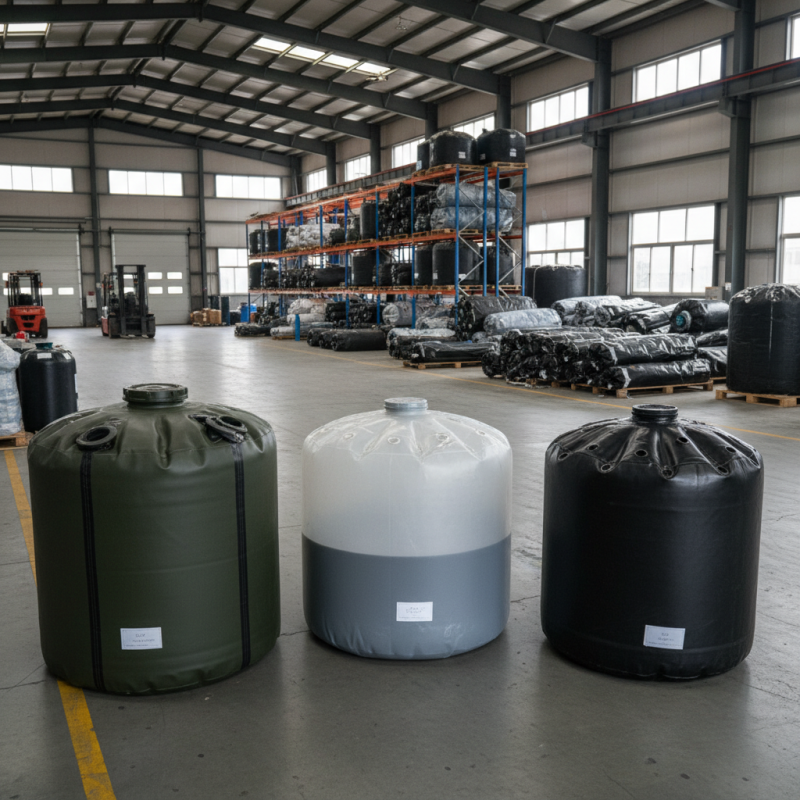
Fuel storage bladders are essential for various industries. They provide a reliable solution for storing fuel safely. Understanding their basics can help organizations make informed decisions. These bladders are flexible, portable tanks made from durable materials. This design allows for easy transportation and installation. They can accommodate different volumes, depending on your needs.
One key benefit is their resistance to leaks and punctures. Many bladders are UV resistant as well. This quality ensures long-term usage even in harsh environments. Regular inspections are necessary to ensure their reliability. Factors like UV exposure and puncture risks should be considered.
Choosing the right bladder involves understanding your specific requirements. Consider the fuel type, volume, and storage duration. It’s crucial to think about the installation site too. Uneven terrain can affect bladder performance. Assessing these aspects can lead to better storage solutions. Feeding your organization’s operational needs with the right bladder choice can be instrumental.
Key Industry Standards for Fuel Bladder Material Selection
When selecting fuel storage bladder solutions, it's crucial to focus on industry standards for material selection. The right material ensures safety and efficiency while storing fuel. Consider factors like temperature resistance, permeability, and durability. These aspects directly impact the bladder's performance over time.
Look for materials that withstand various environmental conditions. Certain fabrics resist UV rays, while others handle extreme temperatures. This resistance helps extend the bladder's lifespan. Evaluate your storage location's requirements to choose the best fit.
Another tip is to prioritize certifications. Ensure the chosen materials meet industry standards. This adherence ensures that the bladder is safe for fuel storage. Non-compliance can lead to leaks and other hazards. Investing in certified materials is a reliable way to minimize risks.
Always assess the potential for wear and tear over time. Regular inspections and maintenance are essential in identifying issues early.
Factors Influencing Fuel Bladder Capacity and Size Requirements
When selecting fuel storage bladder solutions, capacity and size requirements are critical factors. The maximum volume of fuel you plan to store directly influences the bladder size. Measure your operational needs carefully. If you underestimate capacity, it may lead to shortages. Conversely, oversizing can waste resources and space.
Material choice is another crucial aspect. Different materials have varying resistance to chemicals and temperatures. Ensure the bladder material suits your specific fuel type. Additionally, consider the bladder's environmental exposure. UV radiation and extreme temperatures can degrade materials over time. It might be wise to opt for materials with higher durability, even if they come with a larger upfront cost.
Don't overlook the installation and maintenance aspects. The bladder must fit the designated area without difficulty. Assess how often you will need to access the fuel. Complex designs might complicate regular management, prompting a need for specialized training. If you're unsure about installation processes, consult with industry experts. Making these assessments early can help avoid hurdles later.
Best Practices for Fuel Bladder Installation and Maintenance
Choosing the right installation method is crucial for fuel bladder systems. Proper placement minimizes risks. Ensure the bladder is on a level surface. This helps prevent unwanted pressure points. Connect all fittings securely to avoid leaks. A well-installed bladder will perform better and last longer.
Routine maintenance is vital for longevity. Inspect the bladder regularly for signs of wear. Look for cracks or punctures in the material. Cleaning the surface with mild detergents can prevent buildup. Be cautious with sharp objects around the bladder. Even small tears can lead to significant problems.
Recording maintenance activities is helpful. Track inspections and repairs in a logbook. This information can provide insight for future maintenance needs. Reflect on past experiences to improve your approach. A proactive mindset can help avoid issues down the line.
Cost Analysis: Comparing Fuel Bladders and Traditional Storage Solutions
When evaluating fuel storage solutions, a cost analysis reveals intriguing differences. Fuel bladders often appear more economical when compared to traditional tanks. They generally require lower upfront investment and reduced installation costs. Flexibility in design allows for easy site adaptation, which can save on additional civil works.
However, it is crucial to consider long-term expenses. The durability of fuel bladders varies based on usage and environmental conditions. They may need replacement sooner than traditional tanks, especially in harsh climates. Maintenance costs can also be unpredictable, as punctures or leaks may demand quick repairs. Therefore, a lifecycle cost analysis is essential to uncover the true financial impact.
Adopting fuel bladders can expedite operational efficiency but may introduce hidden risks. If not properly secured, they can shift during transport, leading to potential spills. Thus, ensuring robust safety measures is vital. Balancing cost against reliability calls for a thorough investigation into specific needs and operational requirements. Each situation requires careful thought to prevent unforeseen consequences.
Top Tips for Choosing Fuel Storage Bladder Solutions
| Solution Type | Initial Cost ($) | Maintenance Cost (Annual) ($) | Capacity (Gallons) | Lifespan (Years) | Environmental Impact |
| Fuel Bladder | $1,200 | $200 | 1,000 | 10 | Low |
| Steel Tank | $3,000 | $500 | 2,500 | 20 | Moderate |
| Polyethylene Tank | $2,500 | $300 | 1,800 | 15 | Moderate |
| Fiberglass Tank | $4,500 | $400 | 3,000 | 30 | Low |
