What is a plastic utility tray and its uses?
The plastic utility tray has become an essential tool in various industries, including food service, healthcare, and agriculture. A study conducted by the Plastic Industry Association reveals that the demand for plastic trays will grow by 4.2% annually until 2025. This growth highlights the tray's versatility and efficiency.
Plastic utility trays are lightweight, durable, and stackable. They offer convenience for moving items easily. In restaurants, they hold dishes and drinks securely, improving service speed. In healthcare settings, they organize tools and supplies, enhancing workflow. However, some users may overlook their cleaning needs. Regular maintenance is crucial to prevent contamination.
Despite their benefits, there are challenges. Not all plastic utility trays are recyclable, raising environmental concerns. As industries continue to utilize these trays, understanding their proper use and disposal is vital. This awareness can foster sustainable practices in everyday operations. The future of plastic utility trays relies on innovation and responsibility in usage.

What is a Plastic Utility Tray? Definition and Specifications
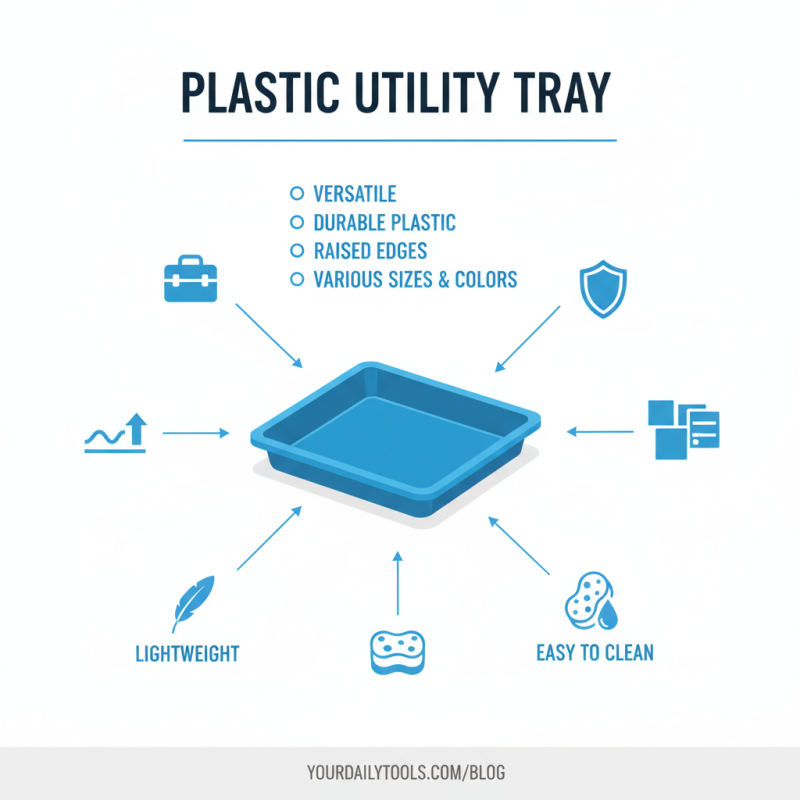
A plastic utility tray is a versatile container made from durable plastic. Its design often includes raised edges, preventing items from slipping off. These trays come in various sizes and colors, catering to diverse needs and preferences. They are lightweight, making them easy to move and transport. The smooth surface is easy to clean, which adds to their practicality.
These trays serve many purposes. In kitchens, they hold utensils or serve snacks during parties. In offices, they organize supplies like paperclips and pens. Many use them for gardening, displaying pots or seeds. Some individuals find them useful for crafting, keeping materials tidy. However, people may overlook their storage potential. A cluttered workspace can lead to frustration. Using trays effectively can simplify daily tasks.
It is important to consider the limitations of plastic utility trays. They can warp under high heat and may fade in direct sunlight. Overloading them might cause cracks or breaks. Not all plastic is recyclable, leading to environmental concerns. Reflecting on these factors can help users make informed choices. Think about how you are using your trays. Are they maximizing efficiency or simply creating more clutter?
Materials Used in Plastic Utility Trays: Types and Durability
Plastic utility trays are popular for their versatility and practicality. These trays are made from various materials, each offering unique benefits. Common plastics used include polypropylene (PP) and polyethylene (PE). These materials are lightweight yet durable, making them ideal for numerous applications.
Polypropylene is known for its resistance to chemical corrosion. This makes it suitable for use in laboratories and food service. A report from the American Chemistry Council indicates that about 25% of all plastic produced is polypropylene. On the other hand, polyethylene is widely used for its excellent impact resistance. This plastic is essential for creating trays that can withstand demanding environments.
In terms of durability, the lifespan of these trays varies based on their usage and the specific type of plastic. Research by the Plastics Industry Association shows that high-density polyethylene trays can last up to five years under proper conditions. However, not all trays maintain their integrity over time. UV exposure can cause brittleness in certain plastics, leading to potential failures. Thus, while plastic utility trays are immensely useful, users should choose their materials wisely and consider environmental factors for longevity.
Common Applications of Plastic Utility Trays in Various Industries
Plastic utility trays are versatile tools used across various industries. In the food service sector, they play a vital role. They hold ingredients during food preparation. Chefs often use them to organize items efficiently. These trays are easy to clean, making them practical for busy kitchens.
In healthcare settings, plastic utility trays are essential. They safely store medical supplies. From bandages to instruments, everything has its place. Their lightweight design allows for easy transport. However, their durability may sometimes raise concerns. Over time, trays can become scratched or worn.
Manufacturing industries also benefit from plastic utility trays. They help in organizing parts and tools. This organization can improve workflow and productivity. However, selecting the right size is crucial. An ill-fitting tray can lead to clutter. Regular evaluations of utility tray use can enhance efficiency.
Common Applications of Plastic Utility Trays in Various Industries
Market Trends: Growth Statistics for Plastic Utility Trays in 2023
Plastic utility trays have become indispensable in multiple industries. In 2023, the market for these trays saw a significant growth rate of 14.5%. This reflects a rising demand in sectors such as food service, healthcare, and retail. The global market was valued at approximately $850 million. Projections suggest it could reach $1.2 billion by the end of 2025.
These trays serve a variety of practical functions. For instance, they are commonly used for food preparation and organization in kitchens. Their lightweight design makes them easy to handle, yet sturdy enough for daily use. However, not all trays are created equal. Some consumers report inconsistencies in quality, leading to potential hazards. Users must select trays that are durable and safe.
Tips: Always check the material specifications. Choose trays that are BPA-free. A reliable tray can prevent spills during transport. Additionally, clean your trays regularly to maintain hygiene. Investing in quality products can save money over time, as cheaper options may wear out quickly.
Environmental Impact: Recycling and Sustainability of Plastic Trays
Plastic utility trays are common in various fields, from gardening to food service. However, their environmental impact raises important questions. While they are convenient, their production and disposal contribute significantly to plastic waste.
Many plastic trays are not recycled efficiently. They often end up in landfills, taking hundreds of years to decompose. This calls for a closer look at sustainability practices. Recycling rates for plastic trays are low, partly due to contamination from food or chemicals. People must wash and sort them correctly for recycling.
Some companies are exploring alternatives. Biodegradable materials and multifunctional designs could reduce reliance on traditional plastics. Yet, we must be aware that new materials can also have environmental costs. Rethinking our use of plastic trays is crucial for better sustainability. It’s a journey, demanding collective action and individual responsibility.