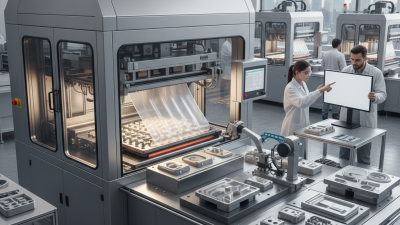
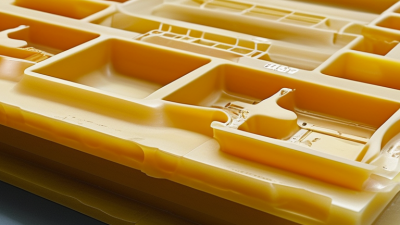
Choosing a plastic vacuum forming machine is not a simple matter of comparing prices and heating power. The right equipment must fit your material, product size, production volume, and workshop conditions. A machine that forms thin packaging well may struggle with thick ABS panels. Small details matter, including clamp force, heater control, vacuum speed, mold clearance, and cooling performance.
John E. Throne, a respected thermoforming researcher and author, described thermoforming as “a deceptively simple process.” That warning remains useful today. The machine may look straightforward, but poor temperature control can create webbing, uneven wall thickness, or weak corners. I have seen specifications appear impressive on paper while the finished parts showed visible distortion. Numbers do not tell the entire story.
This guide introduces seven practical tips for choosing a plastic vacuum forming machine with greater confidence. It examines machine structure, heating systems, vacuum capacity, forming area, material compatibility, maintenance, and supplier support. Operators should also inspect real samples, not only brochures. Ask to see parts made from your intended sheet material. Measure cycle time. Check edge quality. Listen for inconsistent pump noise.
There is no perfect machine.
A careful decision may still involve compromise. A lower-cost model could suit occasional production, while automated equipment may justify its investment during continuous operation. By reviewing each factor honestly, buyers can avoid expensive surprises and select equipment that performs reliably in everyday manufacturing.
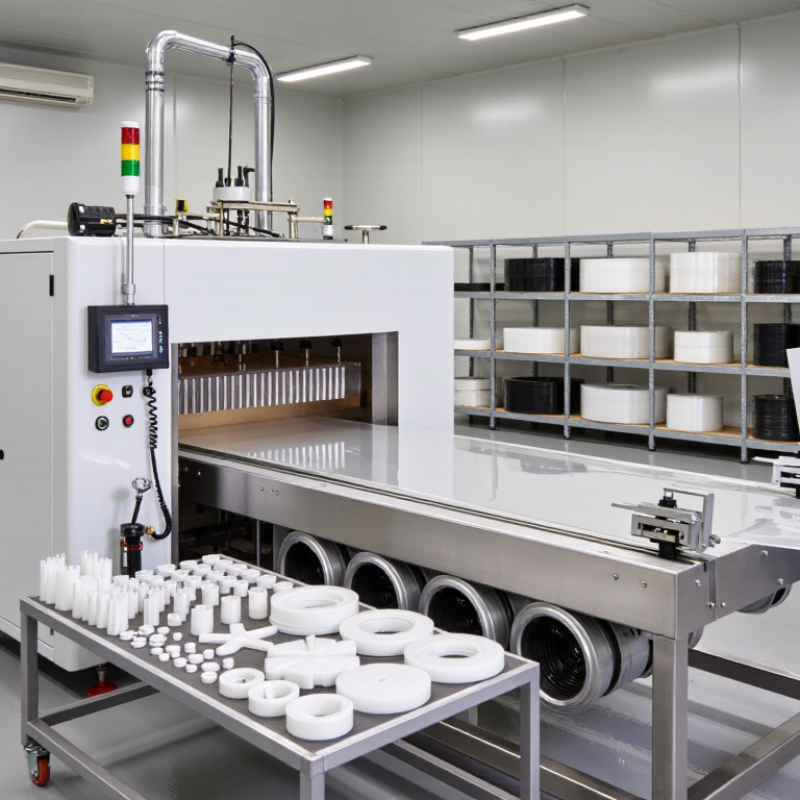
Define the part before comparing machines. Record its length, width, height, wall thickness, draft angles, and deepest draw. Start with the part. A small prototype and a production tray may require completely different forming areas. PlasticsEurope reported 413.8 million tonnes of global plastics production in 2023. That scale shows why material selection and process control deserve careful attention. Choose compatible sheet materials, such as ABS, HIPS, PETG, or acrylic, based on heat resistance, appearance, recyclability, and end use.
Tip 1: Confirm the maximum sheet size and usable forming area. Tip 2: Match the machine to your required thickness range. Tip 3: Calculate daily output, not only maximum cycle speed. Tip 4: Ask whether the heater can deliver even temperature across the sheet. Uneven heating often creates thin corners and weak edges. I have seen impressive trial parts fail after cooling because the design ignored shrinkage. That assumption can fail.
Tip 5: Specify vacuum performance, including pump capacity and response time. Tip 6: Check mold compatibility, venting, trimming, and tool-change procedures. Tip 7: Measure available floor space, electrical supply, ventilation, and operator access before ordering. The 2024 Grand View Research report valued the global thermoformed plastics market at approximately 15.6 billion US dollars in 2023, with continued growth projected through 2030. Reliable machines support that demand, but only when requirements are defined precisely. Measure twice. A lower-cost machine may become expensive when it causes scrap, slow setup, or inconsistent wall thickness.
Define your plastic vacuum forming requirements before comparing machine specifications.
Choosing a plastic vacuum forming machine starts with the part, not the advertised maximum. Measure the mold envelope, including trim allowance, then compare it with the machine’s forming area. A 1,000 × 600 mm sheet may not produce a 900 × 500 mm part after clamping and stretching. Leave working space. Grand View Research valued the global thermoforming plastic market at about USD 13.37 billion in 2023, showing why equipment decisions deserve careful capacity planning.
Machine size also affects workshop practicality. Check overall footprint, loading height, electrical demand, and mold-changing access. A large frame can improve output, but it may waste energy on small parts. Forming depth matters too. Deep draws need suitable plug assistance, vacuum capacity, and controlled heating. I once treated sheet size as the main specification. That was too simple. The machine must fit the entire process.
Material compatibility requires more than accepting a sheet thickness. ABS, HIPS, PETG, PP, and PVC respond differently to heat, cooling, and stretching. Confirm heater control, temperature range, clamping pressure, and vacuum performance with each intended material. PlasticsEurope’s Plastics—the Facts 2023 reported packaging represented 39.3% of European plastics demand, so packaging-focused users should test clarity, sealing behavior, and repeatability. Ask for trial forming with your actual sheet and mold. Small differences matter. A machine that forms one polymer well may produce uneven corners with another. Check technical records, maintenance support, and independent test results before purchasing.
Ceramic, quartz, and infrared elements distribute heat differently. Ask for temperature measurements across the entire sheet area. Uneven heating creates thin corners, dull surfaces, and unexpected warping.
Fast recovery can improve production consistency, but excessive heat may damage sensitive plastics. A practical trial is essential.
Strong vacuum alone is not enough. Inspect pump capacity, air paths, sealing frames, and mold venting.
The sheet should reach the mold quickly and evenly. Slow air removal often leaves soft details or trapped bubbles. This happens more often than expected.
A machine that performs well with thin sheets may struggle with thicker ones.
The interface should manage heating zones, vacuum timing, cooling, and release pressure clearly. Temperature sensors must respond consistently, not merely display attractive numbers.
Compare part dimensions, wall thickness, and surface detail. Small differences can become costly during long runs.
In my experience, operators also need simple manual adjustments. Automation is useful, but it cannot correct poor mold design or careless setup. Leave room for learning.
A fast cycle does not always mean higher output. Check heating time, forming time, cooling time, and loading delays together. Ask for tested cycle data using your actual plastic sheet and part thickness. I once selected a machine by headline speed, then discovered uneven heating during a pilot run. That mistake delayed production. Measure real parts, not promises. Confirm the machine can maintain stable vacuum pressure across repeated cycles. Small pressure changes can create thin corners, wrinkles, or incomplete details.
Automation should reduce handling without removing useful operator control. Look for automatic sheet loading, mold movement, trimming coordination, and recipe storage. The controls should show temperatures, vacuum levels, cycle counts, and alarms clearly. Simple screens help during busy shifts. However, excessive automation can make troubleshooting harder. Request manual override functions and clear fault messages. A short demonstration with your operators may reveal problems that specifications hide.
Maintenance needs practical attention. Inspect heater access, filters, seals, pumps, and moving rails before purchase. Ask how quickly common wear parts can be replaced. Check whether technicians can reach service points without dismantling major assemblies. Keep cleaning instructions near the machine. Safety deserves equal weight. Confirm guarding, emergency stops, door interlocks, heat warnings, and electrical protection. Train operators with realistic fault scenarios, not only routine operation. The cheapest machine may become expensive when downtime, training gaps, and rejected parts are included. Reconsider your choice after a full-shift trial.
Machine price is only the visible part of the investment. Ask for a complete cost sheet before comparing quotations. Include tooling, molds, heating elements, compressed air, electricity, labor, maintenance, and rejected sheets. Request energy data from comparable production cycles, not showroom demonstrations. Payback estimates should use your actual shift pattern and material costs. That detail matters.
Supplier support can determine whether the machine remains productive after installation. Confirm response times, spare parts availability, training hours, and remote troubleshooting procedures. Ask who will install the equipment and how technical issues are documented. A practical supplier should explain forming limits, temperature control, cycle settings, and routine inspection points clearly. Check references from users with similar sheet sizes and production volumes. Polished promises are not enough.
Future expansion deserves equal attention. Review available mold dimensions, clamping force, automation interfaces, and software upgrade paths. A machine may handle today’s trays but struggle with deeper parts later. Ask whether feeding, trimming, stacking, or inspection modules can be added without replacing the main frame. Leave room around the equipment for safer maintenance and possible extensions. I once underestimated floor space, and later changes became expensive. That mistake is easy to repeat. Choose capacity with evidence, not optimism.
| Tip | Decision Area | What to Check | Practical Benchmark | Indicative Cost or Impact | Recommended Evaluation Method |
|---|---|---|---|---|---|
| 1 |
Capacity Match the machine to current production |
Confirm maximum forming area, sheet thickness range, heating-zone control, cycle time, and maximum part depth. | A medium industrial machine commonly handles forming areas of approximately 1,000 × 600 mm to 2,000 × 1,200 mm and plastic sheets around 1.5–8 mm thick, depending on configuration. | Undersizing can cause overtime, extra shifts, and missed delivery dates. Oversizing may increase purchase cost by roughly 20–50% without improving utilization. | Calculate peak hourly demand, then select a machine with approximately 15–25% capacity headroom. |
| 2 |
Total Cost Compare more than the purchase price |
Include machine price, molds, tooling, installation, freight, operator training, utilities, maintenance, spare parts, and expected downtime. | A complete project budget is often 15–35% higher than the machine quotation after tooling, delivery, commissioning, and site preparation are included. | Typical industrial equipment may require a substantial electrical connection, compressed air, cooling, and ventilation. Utility and maintenance costs should be estimated over at least five years. | Build a five-year total-cost-of-ownership sheet and compare cost per finished part, not only the initial quotation. |
| 3 |
Energy Efficiency Check operating consumption |
Review heater type, heating-zone controls, insulation, standby mode, vacuum-pump rating, and whether unused zones can be switched off. | Zoned ceramic or infrared heating can reduce unnecessary heat input compared with a basic full-area heating arrangement, especially for small parts on a large sheet. | Electricity consumption varies widely with sheet material, thickness, cycle time, and heater configuration. Measure or obtain kWh per cycle under a representative production load. | Request a test run using the intended plastic sheet and record warm-up time, cycle energy, and output per hour. |
| 4 |
Supplier Support Verify service capability |
Assess installation support, operator training, troubleshooting response, documentation, remote assistance, and availability of replacement parts. | Ask for a documented response target, a recommended spare-parts list, electrical and pneumatic diagrams, maintenance schedules, and training for at least two operators. | Delayed technical support can stop production for days. Critical spare parts and planned preventive maintenance generally cost less than emergency downtime. | Obtain service terms in writing and contact at least two existing users about response times and commissioning quality. |
| 5 |
Product Quality Evaluate process consistency |
Check temperature uniformity, plug-assist control, vacuum level, mold sealing, trimming accuracy, wall-thickness distribution, and repeatability. | A proper acceptance test should use the target material and mold, with checks for visible thinning, webbing, incomplete forming, warpage, and dimensional variation. | Stable forming can reduce scrap and rework. Even a 5% reduction in scrap may produce meaningful annual savings in high-volume production. | Define measurable acceptance criteria for part dimensions, appearance, cycle time, scrap rate, and repeatability before signing the purchase order. |
| 6 |
Future Expansion Plan for new products and automation |
Confirm compatibility with larger molds, automatic sheet loading, preheating, trimming, stacking, data logging, and additional forming stations. | Modular controls, programmable heating zones, sufficient frame clearance, and available input/output capacity make later automation easier. | Buying an upgrade-ready platform may cost more initially but can avoid a complete machine replacement when production volume or product size increases. | Request a written list of available upgrades, their prices, installation requirements, and maximum supported machine configuration. |
| 7 |
Safety and Compliance Protect operators and production |
Review guarding, emergency stops, hot-surface protection, electrical protection, ventilation, noise, pneumatic safety, and conformity documentation. | The machine should be supplied with clear risk controls, operating instructions, maintenance procedures, and documentation appropriate to the installation country. | Missing safety features can create retrofit costs, training delays, insurance concerns, and production interruptions during compliance inspections. | Complete a site risk assessment before purchase and include safety requirements in the technical specification and contract. |
Note: Cost ranges and performance benchmarks are indicative industry planning values. Actual results depend on machine size, plastic material, mold design, cycle settings, labor rates, energy prices, and local installation requirements.