
How to Choose a Front Motorcycle Spoke Wheel

Choosing a Front Motorcycle Spoke Wheel involves more than matching a style or finish. The right wheel must suit your motorcycle’s specifications, intended use, and existing components. Fit matters most. A polished rim can still be the wrong choice if its hub, axle diameter, brake mounting points, or offset do not match your bike.

Start with the owner’s manual or manufacturer’s fitment information. Confirm the wheel diameter and width, spoke count, hub design, and brake compatibility before buying. Then consider where and how you ride. A wheel used on rough roads may face different demands from one used mainly on smooth pavement. Spokes also need regular inspection: look for visible damage, corrosion, or unusual looseness, and follow the maker’s guidance for maintenance. Small details count.

Material and construction affect weight, durability, and upkeep, but claims vary by product. Check the wheel’s documented specifications, warranty, and compatibility notes rather than relying on appearance alone. If you are unsure about sizing or installation, ask a qualified motorcycle technician to verify the fit. I would not guess from a photo; even similar models can have different wheel requirements. A careful choice can help preserve handling and braking performance, though no wheel can compensate for worn parts or poor maintenance. The aim is a suitable, dependable fit—not simply the most striking wheel.
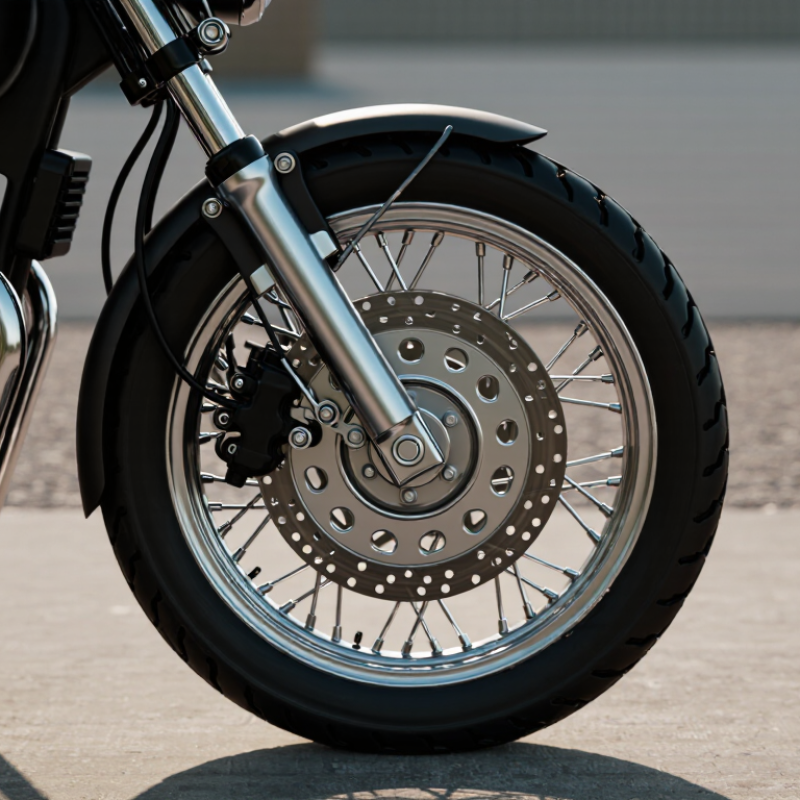
How to Choose a Front Motorcycle Spoke Wheel

Identify Your Motorcycle’s Front Wheel Specifications

A front spoke wheel must match more than the tire’s diameter. Identify your motorcycle’s exact year and model, then check its owner’s manual or service information. Record the wheel diameter and rim width, axle diameter, and hub width. These measurements determine whether the wheel can fit securely between the fork legs.

Tips: Count the spokes and note the hub’s brake mounting style. Check the rotor position, wheel offset, and speed-sensor or spacer arrangement, if fitted. A ruler can help, but use calipers for axle and hub measurements. Small differences matter.

Also confirm the tire size and whether the wheel is designed for a tube or tubeless setup. Compare the replacement wheel’s specifications with the original, not just its appearance. If measuring a wheel already on the bike, remove dirt around the axle and hub first; grime can hide edges and lead to a poor reading. I have found that handwritten measurements are easy to mix up, so label each value and verify it once more. If any dimension or brake alignment is unclear, ask a qualified motorcycle technician to check compatibility before installation.

Match the Wheel to Your Fork, Brake, and Axle

A front spoke wheel must fit the fork, not just look similar to the one it replaces. Check the hub’s overall width and the distance between the fork legs. Measure the axle diameter, too. A few millimeters can affect alignment or bearing support. Do not guess. Compare your measurements with the motorcycle’s service manual or the wheel maker’s fitment data.

Brake alignment needs equal care. Confirm the rotor diameter, mounting pattern, and offset. The rotor should sit centrally in the caliper without rubbing. Also check clearance around the fork legs, brake hose, and fender. A wheel can fit between the forks yet leave the rotor slightly out of line. That small mismatch is easy to overlook.

Axle length, spacers, and bearing dimensions must suit the fork and hub together. Use the specified spacers; improvised ones can shift the wheel or load bearings incorrectly. Check tire width and rim size against available fork clearance. Even careful measuring can miss a detail, especially when parts have been changed before. If any specification is unclear, confirm it with a qualified mechanic before riding.

Front Motorcycle Wheel Sizes: Match the Wheel to Your Fork, Brake, and Axle

These bars show nominal rim diameter conversions (1 inch = 25.4 mm), not the wheel’s overall outside diameter. Before choosing a wheel, confirm fork clearance, axle diameter and length, hub spacing, and brake-disc alignment against your motorcycle’s specifications.

Compare Rim Materials, Spoke Design, and Hub Construction

A front spoke wheel must balance low mass with impact resistance and easy service. Rim material is a practical starting point. The ASM Handbook, Volume 1, lists typical densities of about 2.7 g/cm³ for aluminum alloys and 7.85 g/cm³ for carbon steel. That difference can reduce rim mass, though alloy grade, wall thickness, and rim profile also affect strength. Aluminum needs careful inspection for cracks or dents. Steel may tolerate rough use, but it adds weight. Feel the rim edge and check for damage.

Spoke count matters less than sound tension and even support. Look for loose nipples, rust, and spokes that sound markedly different when lightly tapped; a wheel specialist can verify tension and runout. Not a perfect test.

Hub construction deserves the same scrutiny: check bearing smoothness, axle fit, spoke-flange condition, and brake-rotor alignment. ISO 8644:2006 specifies test methods for light-alloy motorcycle wheels, offering a useful reference when comparing documented wheel testing.

Match the hub and rim to the fork, brake system, and intended load. I may be overvaluing weight; fit and maintenance history can matter more on a rough road.

Choose Wheel Features for Your Riding Conditions

Choose Wheel Features for Your Riding Conditions

Match the front wheel to the ground you actually ride, not just the bike’s appearance. On broken pavement or gravel, a properly tensioned spoked wheel can flex slightly under impact and is often easier to repair than a cast wheel. Look for a rim width approved for your tire, a hub that matches your brake and axle, and a load rating that covers rider, luggage, and accessories. More spokes do not automatically mean a stronger wheel; spoke material, lacing, rim design, and build quality matter too. Check these details against the motorcycle’s service information.

Small details matter.

For wet commutes, prioritize corrosion-resistant spokes and nipples, then inspect for rust and loose spokes after muddy or salty rides. For long-distance touring, weigh durability against wheel weight and confirm that the chosen rim suits your tire and intended load. Do not assume every spoked rim is safe for tubeless use. It may not be.

NHTSA’s 2022 Traffic Safety Facts reports 6,218 motorcyclist deaths in the United States, underscoring how little room there is for neglected equipment. That figure does not measure wheel failures, but it reinforces the value of careful fitment and routine checks.

I still find it easy to focus on the rim and overlook spoke tension; that is worth reconsidering. After impacts, check wheel runout, spoke tension, and brake alignment before riding far.

Verify Fitment, Quality, and Maintenance Requirements

How to Choose a Front Motorcycle Spoke Wheel

Verify Fitment, Quality, and Maintenance Requirements

Fitment and Specifications

Start with the motorcycle’s year, model, and front-end configuration. Check wheel diameter and rim width, axle size, bearing dimensions, brake-disc mounting, and rim offset. Match the spoke pattern too; a wheel that bolts on can still place the brake disc incorrectly. Measure twice. Confirm the tyre’s approved rim-width range in its specifications, rather than relying on appearance.

Inspection and Safety

Inspect the wheel before purchase. Look for cracked rims, corrosion around spoke holes, damaged threads, and uneven spoke tension. Ask for the manufacturer’s runout and spoke-tension limits, plus the correct inspection procedure. Avoid tightening spokes by feel alone; uneven adjustments can distort the rim.

NHTSA’s 2022 Traffic Safety Facts recorded 6,218 motorcyclist deaths, representing 15% of U.S. traffic deaths. That figure is not wheel-specific, but it underlines why sound components and careful installation matter.

Ongoing Maintenance

Plan for upkeep, not just installation. Spokes can loosen as a new wheel settles, so follow the wheel maker’s initial recheck interval and use its specified tension values. Check for loose spokes, rim damage, and changes in wheel runout during routine service. Keep a record. Offset is easy to overlook, even on a careful checklist, and maintenance instructions can vary between wheel designs. If fitment details are unclear, have a qualified motorcycle technician verify them before riding.

Go to Top