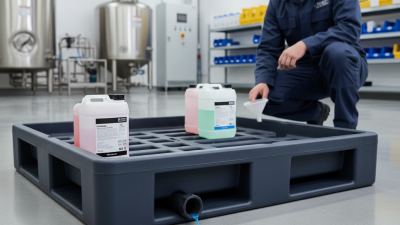
How to Choose the Best Spill Tray with Drain for Safety?
Choosing the right spill tray with drain is crucial for workplace safety. In industries such as manufacturing and chemical handling, spills can lead to hazardous situations. According to the U.S. Environmental Protection Agency, improper spill management accounts for nearly 55% of reported environmental incidents. This statistic underscores the importance of effective spill containment solutions.
A spill tray with drain is designed to collect spills while allowing easy drainage of liquids. This feature minimizes the time spills sit on surfaces, reducing slip hazards. Recent studies show that workplaces equipped with proper spill containment systems see a 40% reduction in accidents related to liquid spills. However, the challenge lies in selecting trays that meet specific needs, including capacity and material resistance.
Vigilance in choosing a spill tray can reflect a facility's commitment to safety. Many options on the market come with various features, making it difficult to determine the best fit. Analyzing these characteristics, such as size and drainage efficiency, is essential. A mismatch can lead to inefficiencies and increased risks. Therefore, understanding the nuances of spill tray designs is key to ensuring both compliance and safety.

Understanding the Importance of Spill Trays in Safety Management
Spill trays play a vital role in ensuring safety in workplaces, especially where liquids are handled. These trays act as a first line of defense against leaks and spills, minimizing risks associated with hazardous materials. Properly designed spill trays can contain spills effectively, preventing the hazardous substances from spreading. This containment is crucial for protecting both personnel and the environment.
When selecting a spill tray, consider its size and capacity. Assess the types of materials you will use. A tray that holds more can handle larger spills better. Ensure the drain design allows for easy disposal. This functionality reduces the risk of contamination during clean-up.
**Tips**: Check for durability in materials. A sturdy tray withstands impacts and resists corrosion. Also, look for trays that fit into your specific workspace. A well-placed tray encourages timely usage, which enhances safety. Don't underestimate the value of regular maintenance. Inspecting trays for wear and tear helps maintain effectiveness.
Identifying Key Features of Spill Trays with Drains
When selecting a spill tray with a drain, it’s crucial to know what features matter most. Effective spill trays help contain leaks while allowing for easy drainage. Look for models with a sturdy construction that can hold heavy containers. The material should resist corrosion and withstand harsh chemicals.
A key feature is the presence of a drainage outlet. This allows for swift removal of liquid, minimizing the risk of spills spreading. Ensure the drain has a removable screen to catch debris, which can block drainage. The size of the tray should match your needs, providing enough space for the equipment or containers you use regularly.
Tips: Always check weight limits. An overloaded tray can lead to failures. Also, consider how easy it is to clean the tray. Trays with smooth surfaces are generally easier to maintain. A transparent design can help you see spills before they escalate, acting as a prompt for immediate action.
Selecting the Right Material for Your Spill Tray
When selecting the right material for your spill tray, consider durability and resistance to chemicals. Some materials perform better in specific environments. For example, polyethylene is lightweight and resistant to many chemicals. It's ideal for everyday use. Steel spill trays provide unmatched strength. However, they can be prone to rust, requiring extra maintenance.
Tips: Always assess the type of liquid hazards present. Some environments may expose trays to corrosive substances. Choose a material that can withstand these challenges. Check the weight capacity of the tray too. Overloading can lead to spills and accidents.
Another factor is the environmental impact of the material. Some plastics take ages to break down. Recycled materials are an eco-friendly choice but may sometimes lack durability. Weight and ease of cleaning are also important. Look for designs that simplify maintenance. A spill tray that’s hard to clean can accumulate risks over time.
In the end, ensure your choice aligns with your specific needs and safety regulations. Reflect on your workplace practices and the potential for mishaps. Select wisely to enhance both safety and efficiency.
Evaluating Size and Capacity Needs for Effective Use
When selecting a spill tray with a drain, size and capacity are crucial. You need to assess the expected volume of spilled liquid. A small tray may not handle larger spills effectively, while an oversized option can be cumbersome.
Consider the dimensions of the area where the tray will be used. Ensure it fits comfortably without obstructing movement. This balance is essential for maintaining a safe workspace. Check the specifications to know what each tray can hold, as this affects performance during actual use.
Tips: Always leave space around the tray for ease of access. Think about the types of materials that might spill. Remember that some liquids can expand, leading to unexpected overflow.
Evaluate the capacity based on potential incidents. A tray that seems sufficient may lead to real issues in practice. Be mindful of how easy it is to drain the tray. A poorly designed drain can create more mess.
How to Choose the Best Spill Tray with Drain for Safety? - Evaluating Size and Capacity Needs for Effective Use
| Model |
Size (L x W x H) |
Capacity (Liters) |
Material |
Drain Type |
Weight (kg) |
| Model A |
100 x 50 x 10 cm |
120 |
Polyethylene |
Ball Valve |
5.5 |
| Model B |
150 x 75 x 15 cm |
200 |
Steel |
Screw Drain |
10.0 |
| Model C |
120 x 60 x 12 cm |
150 |
Aluminum |
Quick Release |
7.0 |
| Model D |
130 x 80 x 14 cm |
180 |
Recycled Polyethylene |
Slide Valve |
8.0 |
Ensuring Compliance with Safety Regulations and Standards
When selecting a spill tray with a drain, compliance with safety regulations is crucial. The Occupational Safety and Health Administration (OSHA) outlines specific requirements for hazardous material containment. A well-designed spill tray should capture leaks and spills effectively, preventing potential harm to both employees and the environment.
According to a report from the National Institute for Occupational Safety and Health (NIOSH), improper handling of chemicals leads to over 40,000 injuries annually. Therefore, the right spill tray should not only meet size and material specifications but also ensure ease of drainage. A tray with a built-in drain minimizes downtime during spills, allowing for quick cleanup while maintaining safety.
Many facilities overlook the importance of proper training and adequate equipment. Regular audits can reveal lapses in compliance. A spill tray that meets local regulations is not just an accessory; it is a vital safety tool. Investing in the right equipment reflects a commitment to workplace safety. Although cost considerations are important, cutting corners can lead to severe consequences. Producing a safer work environment must be a priority for all organizations handling hazardous materials.
Choosing the Best Spill Tray with Drain for Safety
This bar chart illustrates the average capacity and effectiveness of various spill trays with drains based on their material composition. Selecting the right spill tray is critical for compliance with safety regulations and ensuring a safe working environment.