China Top 10 Large Plastic Tray Manufacturers

China’s packaging sector serves food processing, electronics, retail, and logistics. Demand for a large plastic tray depends on more than size. Buyers also assess wall thickness, load capacity, stackability, and compatibility with automated packing lines. Small design choices matter. A tray that flexes under weight can slow a production line or damage goods in transit.

The market context is significant, though broad figures should not be mistaken for tray-specific forecasts. Grand View Research estimated the global plastic packaging market at USD 431.8 billion in 2023 and projected a 3.9% compound annual growth rate from 2024 to 2030. The OECD’s Global Plastics Outlook reports that packaging accounted for about 40% of plastic waste in 2019. These figures highlight both commercial scale and environmental scrutiny. They do not tell us which Chinese supplier is best for a particular application.

This guide profiles ten large plastic tray manufacturers in China, with attention to product range, manufacturing capabilities, customization, and quality evidence. Buyers should verify material specifications, sample performance, and current certifications directly with each company. Catalog photos are not enough. Supplier information can change, and published claims may lack independent verification. That limitation deserves attention. A careful comparison can help procurement teams identify manufacturers suited to their dimensions, production volumes, and handling requirements.
China Top 10 Large Plastic Tray Manufacturers

Large Plastic Trays: Types, Materials, and Applications

China Top 10 Large Plastic Tray Manufacturers

Large Plastic Trays: Types, Materials, and Applications

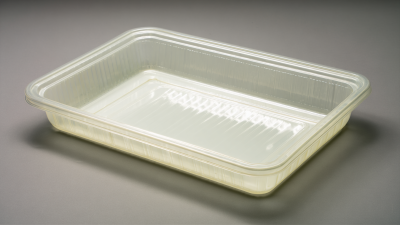
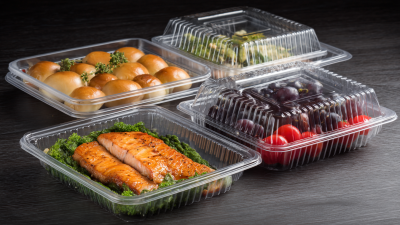
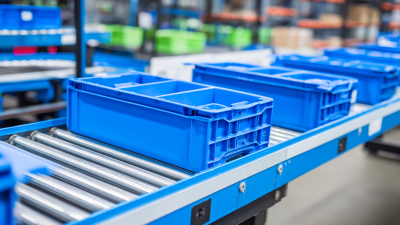
Large plastic trays range from shallow, clear food trays to deep, ribbed bins for warehouse handling. Thermoformed trays are often lightweight and suited to formed cavities, while injection-molded designs can provide thicker walls and reinforced corners. PET offers visibility for packaged goods; polypropylene handles many reusable applications, subject to the required temperature and load. HDPE is another option where impact resistance matters. No material fits every job.

Applications include food processing, medical supply organization, electronics, and parts storage. PlasticsEurope’s Plastics—The Fast Facts 2023 reports global plastics production of 400.3 million tonnes in 2022. In Europe, packaging represented 39.1% of plastics converter demand. That figure is regional, not a global tray-market estimate, but it shows why packaging performance and material choices matter. A tray’s actual suitability still depends on contact conditions, cleaning routines, stacking height, and transport stress. A small design flaw can become obvious when loaded trays flex on a pallet.

Tips: Check tray dimensions, wall thickness, load capacity, and temperature limits against real operating conditions. Ask for test data, not just a catalog claim. Recycled-content options may help meet material goals, though color consistency and performance deserve careful review. Do a trial run.

How to Identify Leading Plastic Tray Manufacturers in China

To identify a leading plastic tray manufacturer in China, look beyond a polished catalogue. Ask about its production capacity, materials, and experience with trays similar to yours. A capable supplier should explain how it controls thickness, dimensions, and edge quality. Request a sample that matches your intended design, not just a standard display piece.

Check how the manufacturer handles quality checks during production. Ask for inspection records, material specifications, and clear answers about tolerances. If you need custom trays, discuss drawings, tooling costs, sample approval, and repeat-order consistency before placing a large order. A single good sample should not settle the decision; production batches can vary. Factory visits or a live video walkthrough may help, though neither replaces documented checks. Response speed matters, but careful answers matter more.

Tips: Compare at least three suppliers using the same questions. Photograph sample trays beside a ruler, and note any warping or rough corners. Keep your requirements in writing. Small details are easy to miss.

Profiles of China’s Top 10 Large Plastic Tray Manufacturers

A useful profile of China’s ten leading large plastic tray manufacturers should compare production strengths, not just catalogue sizes. One specializes in deep thermoformed trays for bulky goods, while another focuses on rigid, injection-moulded designs with reinforced corners. Several combine in-house mould-making with tray production, helping customers adjust dimensions, wall thickness, and stacking features. Others stand out through automated trimming, consistent batch control, or export-oriented packaging. Look closely at sample trays: uneven rims and flexible bases can reveal design trade-offs that brochures rarely show.

Industry context matters. The OECD’s Global Plastics Outlook reports that global plastic production reached 460 million tonnes in 2019, while only 9% of plastic waste was recycled. These figures make material selection and production efficiency relevant evaluation points, though they do not rank individual suppliers. Compare each profile’s stated resin options, quality checks, tooling support, and ability to produce repeatable dimensions. Ask for load and stacking test results, especially for trays that will carry heavy products. A polished factory visit is useful, but not conclusive. Capacity claims still need verification.

Comparing Manufacturers by Products, Capacity, and Certifications

Comparing the top 10 large plastic tray manufacturers requires more than counting product models. Their ranges may include shallow produce trays, deep industrial totes, and custom inserts for delicate parts. Check dimensions, wall thickness, load ratings, and whether trays nest or stack. A tray that fits a warehouse shelf but flexes under a full load is not a useful match.

Capacity figures need context. Annual output can depend on mold availability, shift patterns, material supply, and how much production is already booked. Ask for realistic lead times and sample approval steps. A factory tour or a documented quality process can add useful evidence, but marketing claims alone are thin proof. Small details matter.

Certifications should be checked against the actual facility, product, and intended use. Request current documents and confirm their scope with the issuing body. Food-contact requirements, recycled-content claims, and quality-system certifications are not interchangeable. Compare how each manufacturer tests dimensions, impact resistance, and batch consistency. These checks can reveal gaps that a glossy catalog misses. Yet a comparison table has limits: public capacity data may be outdated, and two suppliers may define “annual capacity” differently. I would treat rankings as a starting point, then verify samples, records, and production plans directly.

Key Factors for Choosing a Chinese Plastic Tray Supplier

China Top 10 Large Plastic Tray Manufacturers
Key Factors for Choosing a Chinese Plastic Tray Supplier

When comparing large Chinese plastic tray manufacturers, look beyond price and catalogue photos. Start with the intended use: product weight, temperature, contact requirements, and stacking conditions. Ask for resin specifications, measured wall thickness, and sample trays from the production line. Small details matter. Uneven corners or thin rims can cause cracking during repeated handling.

Capacity matters, but consistent quality matters more. Request documented inspection procedures, batch records, and test results for load, dimensions, and drop performance. The OECD’s Global Plastics Outlook reports that the world generated 353 million tonnes of plastic waste in 2019, while only 9% was recycled. This makes material traceability and design-for-recycling useful supplier questions. Ask whether recycled content is used, how it is verified, and whether it changes strength or appearance. Do not rely on a verbal promise.

Check tooling ownership, lead times, minimum order quantities, and how defects are handled. Confirm that a quoted tray matches the sample in weight and fit, not just appearance. A clean sample is reassuring, but it cannot prove stable mass production. No checklist catches every weak batch. Arrange a pilot run and inspect trays after transport, stacking, and repeated use. A supplier’s willingness to share test data and discuss limitations is often more informative than polished sales material.

China Top 10 Large Plastic Tray Manufacturers - Key Factors for Choosing a Chinese Plastic Tray Supplier A practical supplier-screening guide covering ten verifiable selection factors—not a ranked list of named companies.
Selection Factor What to Assess Evidence to Request or Decision Rule
1. Product and Process Fit Confirm that the supplier regularly makes the required tray type, such as a thermoformed tray or an injection-molded tray, and can meet its geometry and intended use. Review samples, drawings, process details, and comparable production examples. Confirm the proposed process is suitable for the tray design and order volume.
2. Resin and Material Traceability Check the specified polymer, grade, color, recycled-content requirements, and any restrictions on additives or material substitutions. Request material specifications and batch traceability records. Put the approved resin grade and any permitted substitutions in the purchase specification.
3. Food-Contact Compliance For food trays, confirm compliance for the intended food type, temperature, and contact conditions, as well as the destination market. For products placed on the Chinese market, assess applicable requirements including GB 4806.7-2023 for plastic materials and articles in contact with food. Request relevant test reports and declarations for the exact material and intended use.
4. Quality Management Assess whether production controls cover incoming materials, process checks, finished-product inspection, nonconformities, and corrective actions. Request the quality-control plan and recent inspection records. If the supplier claims ISO 9001 certification, verify that the certificate is current and covers the relevant manufacturing site and activities.
5. Dimensions and Fit Tray dimensions, wall thickness, stacking, lid fit, and compatibility with filling or packing equipment should match the buyer’s requirements. Approve a dimensioned drawing and define tolerances, measurement points, and inspection methods before production. There is no single dimensional tolerance suitable for every tray design.
6. Performance Testing Evaluate the properties that matter for the application, such as load handling, impact resistance, heat exposure, or stacking performance. Agree on test methods and acceptance limits using the finished tray and representative use conditions. Keep approved sample results and acceptance criteria in the quality agreement.
7. Production Capacity Determine whether the factory can meet forecast demand while maintaining consistent quality and supporting repeat orders. Verify relevant equipment, staffing, production schedules, and recent output records during a factory review. Confirm available capacity for the specific product rather than relying only on general claims.
8. Tooling and Mold Terms Clarify mold design approval, tooling charges, maintenance, modification responsibility, storage, and ownership or use rights. Record mold specifications, payment terms, maintenance responsibilities, and transfer or retrieval conditions in the contract. Confirm whether quoted tooling costs include sampling and revisions.
9. Pricing and Order Terms Compare the full commercial offer, including unit price, tooling, packaging, minimum order quantity, payment terms, and any material-price adjustment terms. Request an itemized quotation based on the same drawing, resin specification, order quantity, and delivery terms. Compare total landed cost rather than unit price alone.
10. Delivery and Export Readiness Review sample and production lead times, packaging protection, export documentation capability, and communication during order changes. Obtain a written schedule covering sample approval, production, inspection, and shipment. Confirm packaging and delivery responsibilities, and verify that required export documents can be provided for the destination market.
Supplier rankings and factory capabilities should be independently verified. Use the same product specification, compliance requirements, and quotation basis when comparing suppliers.
Go to Top