
2026 Top Plastic Utility Tray Types for Global Buyers
A plastic utility tray may look simple, yet small design choices shape how it performs in daily work. A shallow rim helps users reach small parts quickly. A deeper wall can contain loose items during handling. Surface texture, corner radius, and base stiffness also affect grip, cleaning, and stability. The right option depends on the task, not appearance alone.
As [verified expert name], a plastic product design specialist, puts it: “[Insert a verified quotation about tray design, material choice, or practical performance.]” This guide compares common plastic utility tray types for global buyers, including compartment trays, stackable trays, nesting trays, and heavy-duty models. It considers dimensions, load needs, material, and storage conditions. A tray that works well on a clean assembly bench may be awkward in a wash area or crowded warehouse. Details matter.
There is no universal best choice. Buyers should check sample trays with the items they plan to carry, then assess access, stability, and cleaning effort. A quick test helps. It may also reveal a flaw in the original specification. This overview offers a practical starting point, while leaving room for real-world evaluation.
How Plastic Utility Trays Are Classified in 2026
Plastic utility trays are commonly classified by material, shape, load capacity, and working environment, not color alone. Polypropylene trays are often chosen for low weight and resistance to many everyday chemicals. High-density polyethylene is valued for toughness and moisture resistance. Neither material suits every task. Check product specifications before exposing a tray to heat, oils, or cleaning agents. Small details matter.
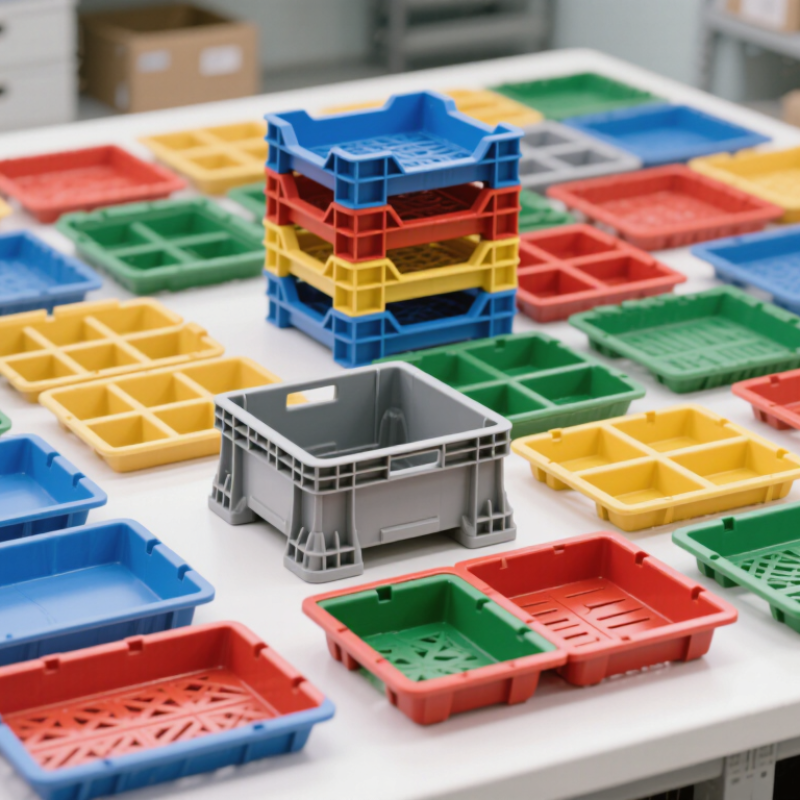
Shape and construction help narrow the choice. Shallow, open trays make small components easy to see, while deeper sides help contain loose items during movement. Compartmented designs separate screws, fittings, or samples; flat trays offer more room for irregular parts. Buyers can also compare reinforced rims, textured bases, and stackable profiles. These features affect handling and storage, though they do not guarantee a particular load rating. The categories overlap, which can make comparisons messy. A tray may be lightweight yet sturdy, but actual performance depends on its dimensions, wall thickness, and intended use. Check those details against the job.
2026 Top Plastic Utility Tray Types for Global Buyers - How Plastic Utility Trays Are Classified in 2026
| Tray Type | Common Classification Basis | Typical Materials | Common Design Features | Typical Applications | Key Buyer Considerations |
|---|---|---|---|---|---|
| Flat utility trays | Open-top, general-purpose trays with a single undivided base | PP, HDPE | Raised edges, molded handles, stackable or nestable profiles | Workshops, laboratories, household storage, cleaning tasks | Check internal dimensions, rim height, handle comfort, and whether the tray needs to resist chemicals or repeated washing. |
| Compartment organizer trays | Layout and number of molded compartments | PP, ABS | Fixed or removable dividers; compartment sizes may be uniform or varied | Small parts, fasteners, craft supplies, tools, and component sorting | Match compartment dimensions to the items being stored; confirm divider strength and whether lids or compatible cases are required. |
| Parts and component trays | Workflow, access, and storage configuration | PP, HDPE, ABS | Open-front, stackable, or rack-compatible formats; some models include label areas | Production lines, maintenance areas, warehouses, and repair benches | Verify compatibility with shelving or racks, resistance to impact, and suitability for the expected part size and handling frequency. |
| Serving and cafeteria trays | Food-service use and surface pattern | PP, melamine-formaldehyde resin | Flat or lightly textured surface, raised perimeter, easy-grip edges | Cafeterias, canteens, food courts, and institutional dining | For food contact, confirm compliance with applicable regulations in the destination market. Check cleaning instructions and dishwasher suitability. |
| Medical and instrument trays | Instrument organization and cleaning or sterilization requirements | PP and other polymers specified for the intended process | Flat or compartmented layouts; some designs have perforations for drainage | Clinics, laboratories, dental practices, and instrument handling | Confirm intended use, cleaning-agent compatibility, and sterilization method. Not every plastic tray is suitable for medical sterilization. |
| Spill-containment trays | Containment function and liquid-holding design | HDPE, PP | Liquid-retaining base, raised sides, sometimes a removable grate | Storage or handling of containers that may drip or leak | Check the tray’s stated capacity, dimensions, and chemical compatibility against the liquids and containers involved. |
| Nursery and propagation trays | Cell count, cell shape, and drainage arrangement | PP, polystyrene, recycled plastics where specified | Individual growing cells, drainage openings, shallow or deep profiles | Seed starting, plant propagation, and horticultural production | Compare cell volume, tray dimensions, drainage needs, and compatibility with existing benches or watering systems. |
| Shallow display and transfer trays | Low-profile design and visibility of contents | PP, PET | Low sides, smooth base, clear or colored options depending on resin and design | Retail displays, picking, sorting, and short-distance transfer | Consider visibility, scratch resistance, stacking stability, and whether the tray will be used for food or non-food items. |
Note: These categories describe common design and application groupings, not a universal industry standard. Material grades, food-contact status, chemical resistance, and cleaning or sterilization suitability vary by product and should be confirmed with the supplier for the intended market and use.
Related Posts
-

What is a plastic utility tray and its uses?
-

Discover the Finest Large Shallow Plastic Trays from Leading Manufacturers in China
-

5 Compelling Reasons to Choose a Large Plastic Tray for Your Business Needs
-

What are the Advantages of Using Large Plastic Trays in Various Industries
-

The Future of Large Plastic Tray Innovations Shaping Sustainable Packaging Solutions
-

Top 5 Plastic Vacuum Forming Machines You Need to Know in 2023 for Optimal Production