2026 Best Thermoforming Techniques for Efficient Production?
Thermoforming is a crucial manufacturing process in various industries. This technique involves heating plastic sheets to shape them into specific designs. As we look towards 2026, it’s essential to explore the best thermoforming techniques available. Understanding these methods can enhance production efficiency.
In recent years, innovations have emerged in thermoforming technology. Automation is becoming more prominent. New machinery can streamline processes significantly. However, not every approach is perfect or suits every operation. Companies must evaluate their unique needs.
Sustainability also plays a role in thermoforming techniques. Many manufacturers are seeking eco-friendly materials. This shift can reduce waste but may also lead to challenges. Implementing these techniques requires careful consideration and planning. The landscape of thermoforming is constantly evolving, revealing both opportunities and complexities.
Overview of Thermoforming Techniques for Modern Manufacturing
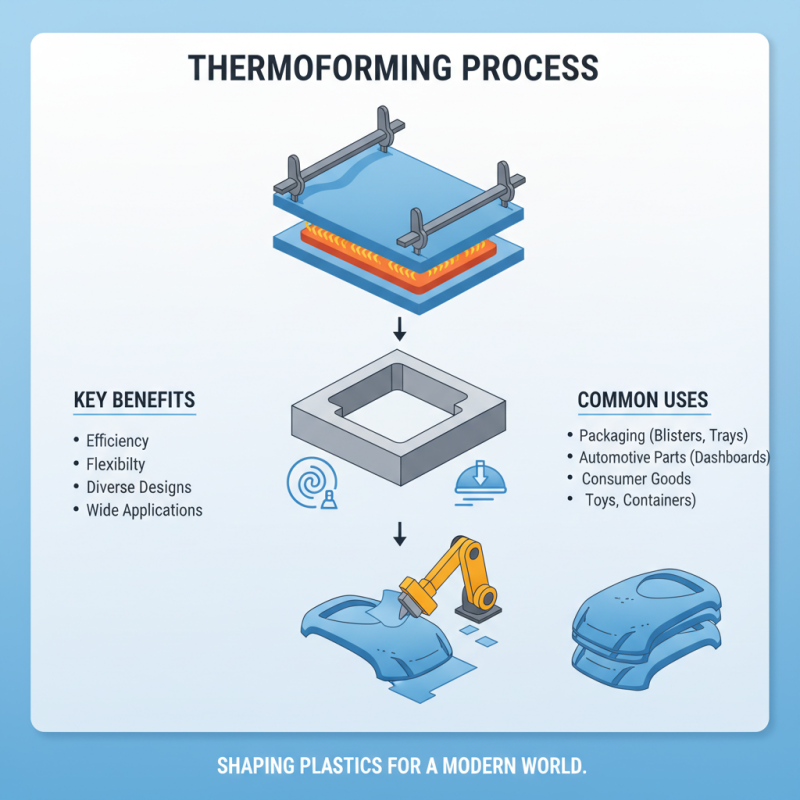
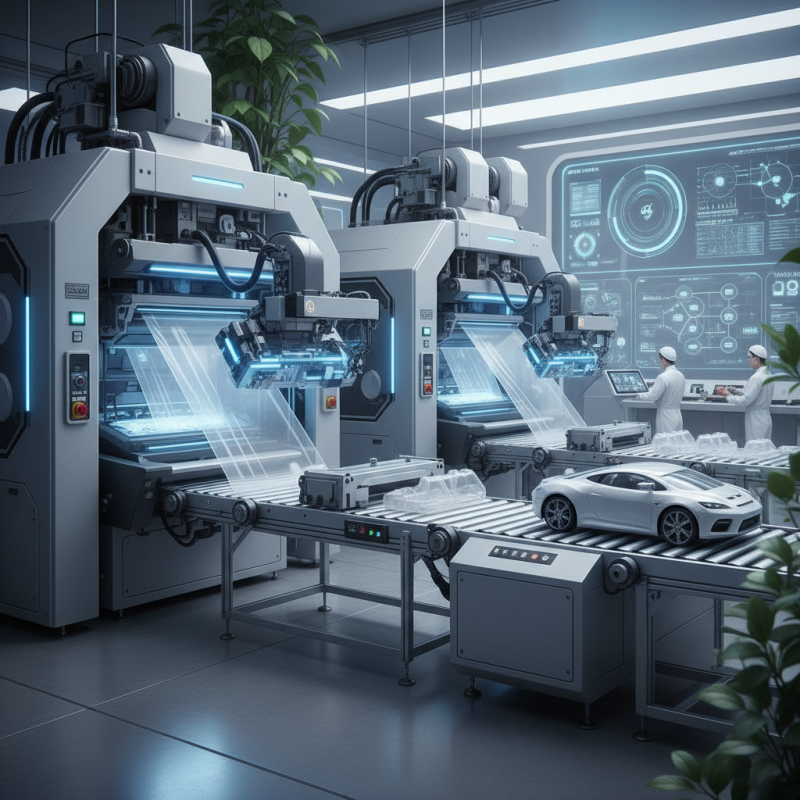
Thermoforming is a vital process in modern manufacturing. This technique shapes plastic sheets by heating them and then forming them over molds. Many industries use thermoforming for packaging, automotive parts, and consumer goods. The method is efficient and flexible, allowing for various designs and applications.
One popular technique is vacuum forming. In this method, air is sucked out from beneath a heated sheet of plastic. The result is a tightly formed piece that replicates the mold's shape. However, achieving uniform thickness can be challenging. Variations in heat distribution can lead to weak spots in the final product. It's crucial to monitor conditions closely.
Another reliable option is pressure forming. This technique uses air pressure to push the heated sheet into the mold. It offers better detail than vacuum forming. However, it requires more energy and equipment investment. Manufacturers must weigh the benefits against costs. Continuous reflection on these methods can lead to innovation and improved processes.
Key Materials Used in Efficient Thermoforming Processes
Thermoforming has become a popular manufacturing technique. It offers flexibility in producing various shapes. The choice of materials plays a critical role in its efficiency. Commonly used materials include polystyrene (PS) and polyvinyl chloride (PVC). According to a recent market report, PS accounts for nearly 40% of thermoformed products. Its lightweight nature makes it an ideal choice for many applications.
Polyethylene terephthalate (PET) is also gaining traction. It is known for its durability and recyclability. In 2022, the demand for PET within the thermoforming sector rose by 15%. This increase reflects growing environmental concerns. More manufacturers are seeking sustainable options. Yet, the transition isn't seamless. Some companies struggle to adopt recyclable materials effectively.
Innovation in materials is ongoing. Advanced polymers, like bioplastics, show promise. They offer the potential for reducing environmental impact. However, challenges remain in their cost and performance consistency. As manufacturers explore new materials, collaboration with suppliers is crucial. The right partnerships may lead to valuable insights. The journey towards efficiency in thermoforming is complex and multifaceted.
Innovative Technologies Enhancing Thermoforming Efficiency
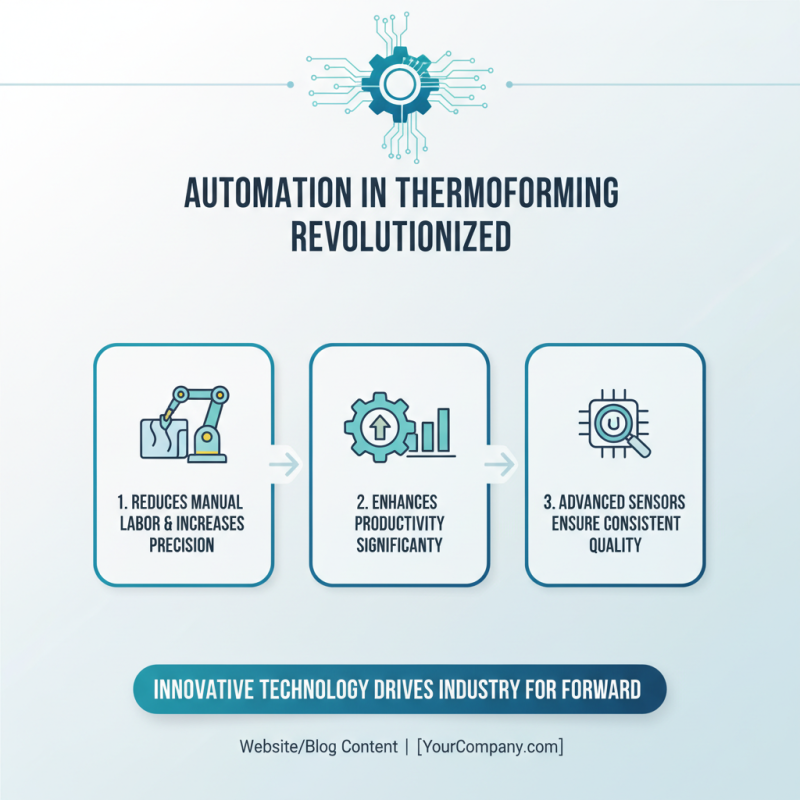
In recent years, innovative technologies have revolutionized the thermoforming industry. Automation is at the forefront. It reduces manual labor and increases precision. This shift enhances productivity significantly. Machines now utilize advanced sensors. These sensors can detect minute changes during production, ensuring consistent quality.
Tips for optimizing your thermoforming process include regular maintenance of machinery. A well-maintained machine performs better. Consider investing in training for your team. Skillful operators can identify inefficiencies that machines might miss. Also, monitor temperature closely. Too high or too low affects material properties.
Another technology making waves is computer simulations. These aid in designing molds more effectively. They help predict material behavior under various conditions. However, not all simulations are accurate. Testing is essential to validate results. Embracing these innovations can lead to smoother production lines. Yet, keeping an eye on possible pitfalls is equally important.
Best Practices for Optimizing Thermoforming Production Runs
Optimizing thermoforming production runs requires careful planning and execution. Start by selecting the right materials for your specific needs. Consider factors like thickness, durability, and cost. Material choice significantly influences the efficiency of the process. Each material behaves differently under heat and pressure, affecting final product quality.
Temperature control is crucial. Many operators overlook this aspect. Too hot can warp the design; too cool can lead to incomplete forming. Regularly calibrating equipment helps maintain precise temperatures. This step cannot be underestimated. Additionally, regular maintenance of machines minimizes breakdowns. A smooth process requires vigilance.
Training your team is essential. Skilled operators can spot issues early. Encourage them to share insights. Sometimes, adjustments are needed mid-production. Keeping an open line of communication helps everyone stay aligned. Reflection on past runs aids future improvements. Learning from mistakes can lead to better outcomes.
Future Trends in Thermoforming for Sustainable Production
The future of thermoforming is leaning towards sustainability. Eco-friendly materials are becoming essential in this field. Businesses aim to reduce waste and energy use. New techniques are being developed to recycle old plastics into new products. This method not only conserves resources but also cuts down on pollution.
Companies are exploring innovative designs that minimize material use. These designs can significantly lower production costs. However, achieving this balance between efficiency and sustainability is challenging. Many manufacturers face difficulties in adapting their existing processes. There is still a need for effective training in new techniques.
The shift towards sustainable production also emphasizes the importance of customer awareness. Consumers are increasingly demanding eco-friendly options. This trend pressures companies to innovate constantly. Yet, some businesses struggle to keep up with this pace of change. Finding the right materials and processes takes time and effort. Companies must reflect on their practices and assess their environmental impact regularly.
2026 Best Thermoforming Techniques for Efficient Production
This chart represents the efficiency percentages of various thermoforming techniques projected for 2026. These techniques show a range of efficiencies, indicating potential trends and areas for improvement in the thermoforming industry.